
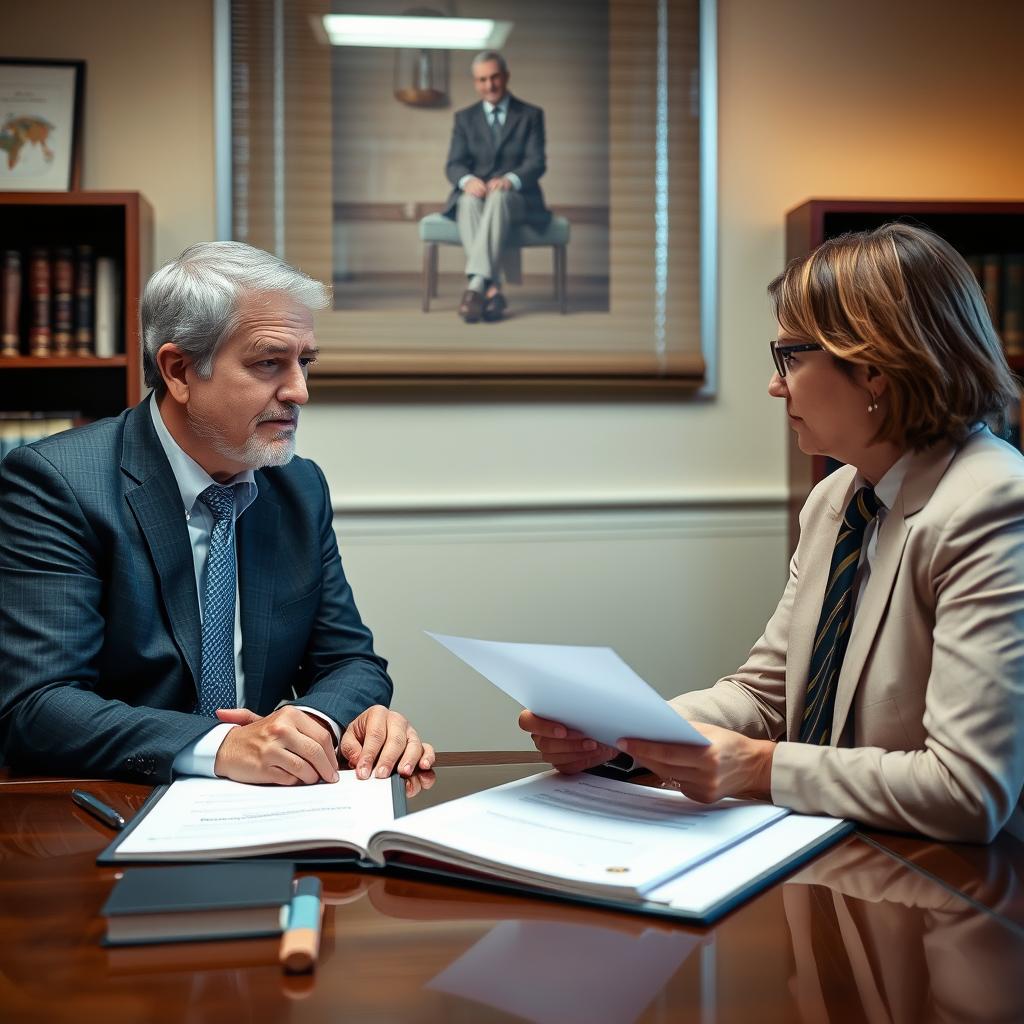
Trial Separation Lawyer King George County, VA
Couples in King George County who reach a point where living together is no longer sustainable often begin with a trial separation—a practical step before filing for divorce, or sometimes a period to see whether reconciliation is possible. Virginia law treats separation not as a court-ordered status but as a factual condition that, if maintained long enough under the right circumstances, becomes the foundation for a no-fault divorce ground under Va. Code § 20‑91(9). The King George County Circuit Court at 10446 Government Center Boulevard hears all divorce actions in the locality, while the King George County Juvenile and Domestic Relations District Court addresses any standalone custody, support, or protective order matters that may arise during the separation period. Whether you are preparing a written separation agreement, negotiating temporary support and custody arrangements, or simply gathering information about what a trial separation means for your rights, experienced legal counsel can help you avoid missteps that could complicate a later divorce. Mr. Sris and his Of Counsel team regularly appear in King George County courts and can provide case-specific guidance. To schedule a consultation, reach Law Offices Of SRIS, P.C. at (888) 437‑7747. Law Offices Of SRIS, P.C. – Advocacy Without Borders.
What Trial Separation Means in King George County
Virginia does not have a “legal separation” process in the way some states do; there is no judicial decree of separation that a couple obtains from the court. Instead, a separation exists when one party intends the marriage to end and the parties cease cohabitation. King George County, a rural community in the Fifteenth Judicial District that includes the communities of King George and Dahlgren, sits along Route 3 and Route 301 near Fredericksburg and the Potomac River. The King George County Circuit Court—located at 10446 Government Center Boulevard—maintains exclusive jurisdiction over divorce, equitable distribution under Va. Code § 20‑107.3, and spousal support. Custody, visitation, and child support disputes that arise during a trial separation or are filed independently are heard by the King George County Juvenile and Domestic Relations District Court.
Because Virginia is an equitable distribution state, any property acquired during the marriage is classified as marital in a subsequent divorce. A trial separation does not stop the accrual of marital property, so the timing and terms under which the separation begins can directly affect what is subject to division later. Couples who can agree on a written separation agreement—addressing division of assets, responsibility for debts, spousal support, and any child custody or visitation—may create a clear record that supports an eventual no-fault divorce on either the six‑month ground (if there are no minor children and the agreement is signed) or the standard one‑year ground. Even if reconciliation occurs, a well‑drafted agreement can serve as evidence of the parties’ intentions if divorce proceedings later resume. Mr. Sris and his Of Counsel can explain how a trial separation interacts with the statutory framework in King George County and can help you evaluate whether a separation agreement, pendente lite motion, or other interim measure is appropriate for your situation.
How Mr. Sris and His Of Counsel Handle Trial Separation Cases
Because a trial separation is often a precursor to divorce, every step taken during the separation period can have legal consequences. Mr. Sris and his Of Counsel approach trial separation matters by first clarifying the client’s overall goal: reconciliation, divorce, or maintaining the status quo while gathering information. That goal determines the strategy—whether to negotiate and finalize a comprehensive separation agreement, seek temporary spousal support and custody orders, or simply document the separation date to preserve a no-fault ground.
For clients in King George County, the team identifies which court is likely to handle any contested issues and advises on the local practice expectations of the Circuit Court and the J&DR Court. Counsel can draft or review a separation agreement that addresses property classification under Va. Code § 20‑107.3, the parties’ respective financial responsibilities, and, if children are involved, a parenting plan that respects the trusted‑interests factors in Va. Code § 20‑124.3. If the other spouse is uncooperative or cannot be located, counsel evaluates service options and can explore pendente lite relief to stabilize finances and custody during the separation. Throughout the process, Mr. Sris and his Of Counsel focus on building a record that preserves the client’s rights should litigation later become necessary. Results may vary.
About Mr. Sris and His Of Counsel Team
Mr. Sris, Owner and Founder of Law Offices Of SRIS, P.C., began practicing in 1997 and now represents clients in Virginia, Maryland, the District of Columbia, New Jersey, and New York. His background as a former prosecutor gives him first‑hand understanding of courtroom dynamics, and he testified before the Virginia House Courts of Justice Committee in support of 2019 HB 635 (chief patron Del. David Bulova). Mr. Sris keeps a manageable case count so that he can stay involved in strategy for matters proceeding through King George County and throughout Northern Virginia.
Mr. Sris and his Of Counsel bring extensive combined legal experience to family law matters, including trial separations, separation agreements, contested and uncontested divorce, custody, and support. The Of Counsel attorneys—each an experienced practitioner engaged through Excella—collaborate with Mr. Sris on document preparation, negotiation, and litigation when a case demands additional resources. All counsel appearing in King George County are familiar with the Fifteenth Judicial District and the procedures of both the Circuit Court and the J&DR Court. For a consultation about a trial separation in King George County, contact Law Offices Of SRIS, P.C. at (888) 437‑7747.
Frequently Asked Questions
What is a trial separation in Virginia?
A trial separation in Virginia is an informal, non‑court‑ordered period during which spouses live separate and apart with the intent to end the marriage, often used to satisfy Virginia’s statutory separation requirement for a no‑fault divorce. Although Virginia has no “legal separation” proceeding, the separation itself carries significant legal weight. Under Va. Code § 20‑91(9)(a), a divorce may be granted after one year of continuous separation; if the couple has no minor children and executes a written separation agreement, the period is six months under § 20‑91(9)(b). The separation must be accompanied by the intent of at least one party that the marriage be permanently over, and cohabitation must end. Even if the spouses remain under the same roof, careful documentation can help establish the separation date for future divorce filings. King George County Circuit Court adjudicates whether the separation requirement has been met when a divorce complaint is filed.
Do I need a lawyer for a trial separation in King George County?
There is no legal requirement that you retain a lawyer to begin a trial separation in King George County, but the decisions made during separation can directly affect property division, custody, and support in a later divorce proceeding. Without counsel, you may unintentionally create evidence that the other party could use against you—for instance, about the separation date, child‑rearing arrangements, or financial disclosures. An experienced family law attorney can help you evaluate whether a written separation agreement is advisable, how to document the separation, and what temporary support or custody filings may be appropriate. Mr. Sris and his Of Counsel offer consultations to discuss the steps that protect your interests during a trial separation in King George County. For a consultation, reach Mr. Sris and his Of Counsel at (888) 437‑7747.
How does a trial separation affect property division in Virginia?
Property acquired by either spouse during a trial separation can still be classified as marital property in a subsequent Virginia divorce, because the marriage continues until a final decree of divorce is entered. Only after the parties have permanently separated and the marriage is legally ended—or after a distinct cutoff date established by the court—does newly acquired property generally become separate. During a trial separation, both spouses should be cautious about how they handle joint assets, incur new debts, or dispose of property. A written separation agreement can specify that certain post‑separation income and acquisitions will be treated as separate, provided it is properly drafted and signed. King George County Circuit Court applies the equitable distribution factors in Va. Code § 20‑107.3 to divide marital property; the timing of separation is often a contested factual issue. It is wise to consult an attorney before making substantial financial changes during a trial separation.
Can a trial separation lead to a divorce in King George County?
Yes, when the separation is continuous and satisfies the statutory time period—one year, or six months if no minor children are involved and a separation agreement is signed—it can serve as the no‑fault ground for divorce in King George County. The divorce complaint is filed in the King George County Circuit Court, and the plaintiff must prove the separation by sworn testimony, typically with at least one corroborating witness. A written separation agreement is not required for the one‑year ground, but it is mandatory if a spouse wishes to use the six‑month ground under Va. Code § 20‑91(9)(b). If the couple has minor children, the separation period must be at least one year regardless of any agreement. Mr. Sris and his Of Counsel can explain which ground applies to your situation and help prepare the documentation needed for an uncontested or contested divorce filing. To discuss the details of your matter, contact Law Offices Of SRIS, P.C. at (888) 437‑7747.
What should I include in a separation agreement for King George County?
A comprehensive separation agreement should address at minimum the division of marital property and debts, spousal support, and, if there are children, custody, visitation, and child support, all consistent with Virginia law. In King George County, a signed separation agreement can resolve all issues without trial, and if the parties have no minor children, it can shorten the separation period for no‑fault divorce to six months. The agreement should clearly define each item as marital or separate, state whether spousal support is waived or reserved, and include an agreed parenting plan that likely meets the trusted‑interests factors of Va. Code § 20‑124.3. Because an improperly drafted agreement may be set aside by the court, it is important to have it reviewed by a family law attorney who is familiar with King George County court practice. Mr. Sris and his Of Counsel can draft, review, or negotiate a separation agreement tailored to your circumstances.
How do I start a trial separation in King George County?
Starting a trial separation is as straightforward as one spouse moving out or the parties clearly establishing separate living arrangements, but there are legal and practical steps you should take to protect yourself. First, consult an attorney to understand your rights regarding the marital home, temporary support, and any immediate child custody concerns. Open a separate bank account if you have not already done so; secure important documents such as tax returns, deeds, and financial statements. If safety is an issue, a protective order may be sought through the King George County Juvenile and Domestic Relations District Court. Even if you hope to reconcile, documenting the date you began living apart with the intent to end the marriage can be important if divorce later follows. Mr. Sris and his Of Counsel can guide you through these steps in a consultation. Reach Law Offices Of SRIS, P.C. at (888) 437‑7747 to schedule.
Related resource pages: Fairfax County Family Law | Prince William County Family Law | Manassas Family Law | Falls Church Family Law | Fairfax City Family Law
Authoritative Virginia resources: Virginia Code § 20‑91 (grounds for divorce) | Virginia Judicial System | Virginia Code § 20‑107.3 (equitable distribution)
Attorney advertising. Prior results do not guarantee a similar outcome.
Results may vary.
Case results depend on a variety of factors unique to each case.