
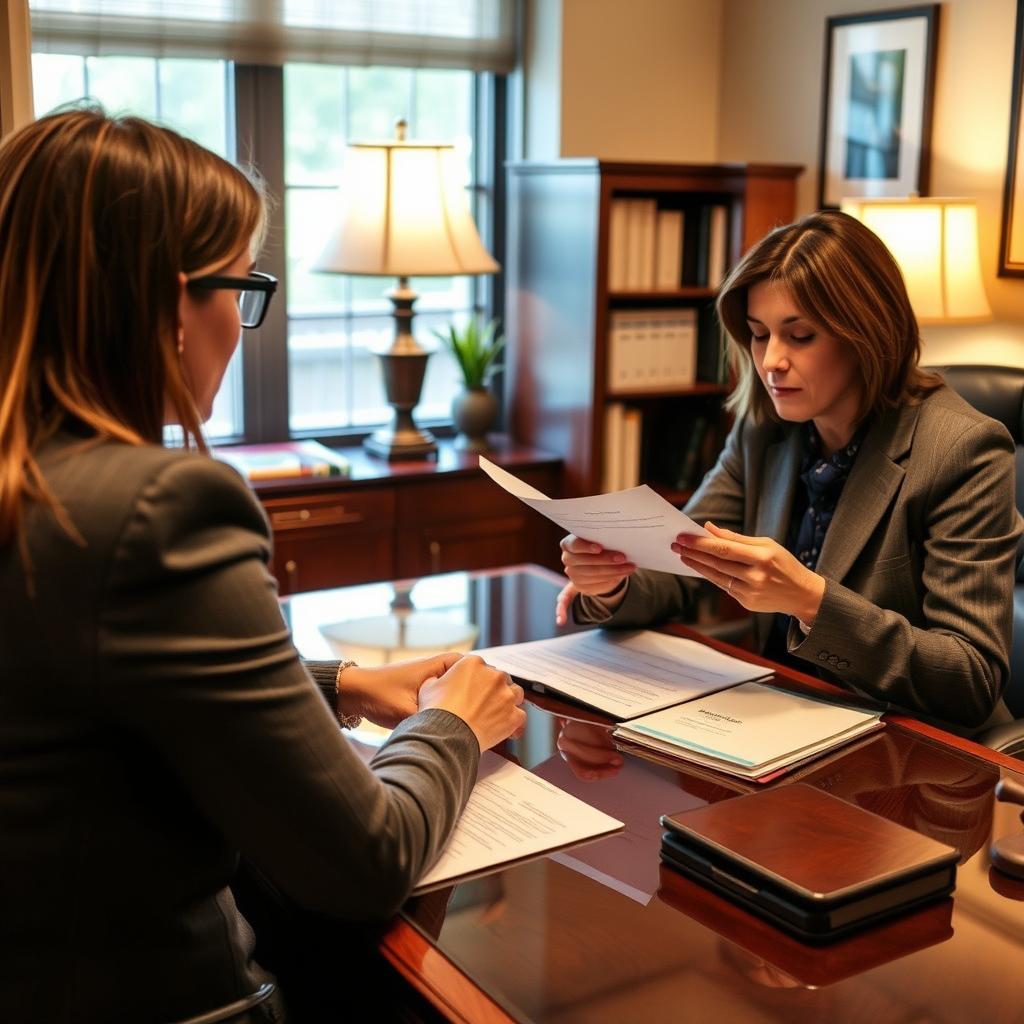
Back Child Support Lawyer Caroline County, VA
When unpaid child support accumulates, parents in Caroline County face enforcement actions that can include wage garnishment, license suspension, and even contempt proceedings. Navigating these matters alone can feel overwhelming, but an experienced back child support attorney can help you understand your options and work toward a manageable resolution. Mr. Sris and his Of Counsel team assist parents dealing with child support arrears in Caroline County, whether you are the parent seeking enforcement or the parent facing collection efforts. Caroline County matters are heard in the Caroline County Juvenile and Domestic Relations District Court or the Circuit Court, depending on the stage of the case. We are familiar with local court procedures and the Virginia child support guidelines. To discuss your situation in a confidential consultation, reach our firm at (888) 437-7747. Law Offices Of SRIS, P.C. – Advocacy Without Borders.
How a Back Child Support Lawyer Helps in Caroline County, Virginia
Back child support, or arrears, is the accumulation of unpaid child support obligations that remain legally enforceable. In Virginia, child support orders are established under statutory guidelines and, once due, become judgments by operation of law. A lawyer can help you address back child support in several ways. If you are the parent owed support, an attorney can assist with enforcement through income withholding orders, tax refund intercepts, or contempt petitions filed in the Caroline County court that has jurisdiction. If you are the parent facing enforcement, an attorney can evaluate whether the arrears were calculated correctly, negotiate a payment plan, or present defenses at a show-cause hearing. Because the Virginia child support guidelines set presumptive amounts, errors in calculation can sometimes be corrected. Additionally, if there has been a substantial change in circumstances, a modification of future support may be sought, though past arrearages cannot be retroactively modified except in rare circumstances. A lawyer also helps ensure that any enforcement action complies with due process and that all relevant financial information is before the court.
Frequently Asked Questions
What is back child support in Virginia?
Back child support, or arrears, is the total amount of unpaid child support that has accumulated under a court order. In Virginia, each installment of child support becomes a judgment by operation of law, meaning it is enforceable indefinitely. The obligation continues until the child reaches age 18, or longer if the child is still in high school or has special needs. Back child support may accrue when a parent fails to pay, is unable to pay due to financial hardship, or when the paying parent cannot be located. Even if you resume payments, the past-due amount remains enforceable and can be collected through various legal means.
How are child support arrears enforced in Caroline County?
Child support arrears in Caroline County are enforced through the Virginia Division of Child Support Enforcement (DCSE) or through private legal action. Common enforcement tools include income withholding (wage garnishment), interception of state and federal tax refunds, suspension of driver’s and professional licenses, and reporting the debt to credit bureaus. If these methods are insufficient, the court may issue a show-cause order requiring the non-paying parent to appear and explain why they should not be held in contempt. Caroline County cases are handled in the Juvenile and Domestic Relations District Court, or the Circuit Court if the enforcement is tied to a divorce proceeding.
What penalties can I face for unpaid child support arrears?
Penalties for unpaid child support arrears in Virginia can include contempt of court, which may result in jail time, fines, or both. The court can also order the parent to pay a lump sum toward the arrears or to participate in a work program. In addition to legal sanctions, the Division of Child Support Enforcement can suspend driver’s licenses, professional licenses, and recreational licenses. Passport denial is also possible. Because penalties depend on the specific facts and the parent’s ability to pay, it is important to have legal representation to present your situation to the court and seek a reasonable resolution.
Can I go to jail for not paying back child support in Virginia?
Yes, a Virginia court can incarcerate a parent who willfully fails to pay child support after being found in civil contempt. The purpose of incarceration is to compel compliance, not to punish, so a parent who demonstrates a genuine inability to pay cannot usually be jailed. However, the burden is on the parent to present evidence of financial inability. If the court finds that the non-payment was willful, it may order confinement until a purge amount is paid. Because the stakes are high, anyone facing a contempt hearing should consult an attorney well before the hearing date.
How can a lawyer help me if I’m facing enforcement for back child support?
A lawyer can represent you in enforcement proceedings, negotiate with the other parent or the DCSE, and work to reach a manageable payment arrangement. Your attorney will review the history of the case, verify that the arrears calculation is accurate, and identify any procedural defects or substantive defenses. In a show-cause hearing, counsel can present evidence of financial hardship, health issues, or other changed circumstances that affect your ability to pay. If the arrears are accurate, an attorney can still help structure a repayment plan that avoids jail and keeps you in compliance, while protecting your relationship with your child.
Can I modify or reduce the amount of past-due child support?
Generally, past-due child support arrears cannot be retroactively modified or eliminated in Virginia. Once a support payment becomes due, it becomes a fixed judgment. However, a lawyer can help you seek a modification of future support payments if there has been a material change in circumstances, such as a significant change in income or the child’s needs. Modification applies only to future payments, not to accrued arrears. In very limited situations, if the arrears are owed to the DCSE (not the other parent), a compromise may be negotiated, but this requires legal guidance and is not guaranteed.
What is the statute of limitations for collecting child support arrears in Virginia?
Virginia law allows the collection of child support arrears for an extended period, often for many years after the child reaches adulthood. Support obligations that are reduced to judgment enjoy a lengthy enforcement window. Because the limitations period can depend on the date of the order and when the obligation became due, it is critical to consult an attorney to understand your specific situation. In practice, many arrears are enforced long after the youngest child turns 18. Do not assume that time will erase the debt; unpaid support continues to accrue interest and can be pursued actively.
Does bankruptcy discharge child support arrears?
No, child support arrears are not dischargeable in bankruptcy. Under federal bankruptcy law, domestic support obligations, including past-due child support, are given priority status and cannot be wiped out in either Chapter 7 or Chapter 13 bankruptcy. However, a Chapter 13 plan can be used to pay off arrears over a three- to five-year plan, allowing the parent to catch up while under the protection of the automatic stay. An attorney can advise on how bankruptcy interacts with child support enforcement and whether this strategy is appropriate for your circumstances.
How do I request a payment plan for child support arrears?
You can request a payment plan by working with a lawyer to negotiate directly with the other parent or by petitioning the Caroline County court that issued the order. If the DCSE is involved, your attorney can communicate with the enforcement division to propose a structured paydown. The court has discretion to set a payment schedule for arrears, often including income withholding with an additional amount toward the past-due balance. A well-documented proposal that accounts for your income and expenses is more likely to be accepted. Legal guidance can help you present a realistic plan and avoid future enforcement actions.
Do I need a lawyer for back child support issues in Caroline County?
You are not required to have a lawyer, but back child support matters involve complex legal standards and potential jail time, making legal representation highly advisable. A lawyer can evaluate the accuracy of the arrears calculation, challenge improper enforcement, and ensure your rights are protected at every hearing. Without counsel, you may agree to terms that do not accurately reflect your ability to pay or unknowingly waive defenses. For a consultation about your child support situation, reach Law Offices Of SRIS, P.C. at (888) 437-7747.
About Mr. Sris and His Of Counsel Team
Mr. Sris, Owner and Founder of Law Offices Of SRIS, P.C., established the firm in 1997. A former prosecutor, he brings a distinctive understanding of litigation to family law matters, including child support enforcement and defense. Mr. Sris and his Of Counsel team bring extensive combined legal experience to back child support cases in Caroline County. They appear regularly in Caroline County courts and work closely with clients to navigate Virginia child support guidelines and enforcement mechanisms. Results may vary. Every case is prepared with careful attention to the facts and a focus on achieving the most favorable outcome under the law.
Additional Resources
For further information on child support enforcement in Virginia, you may visit the following official sources:
- Virginia Code Title 20, Chapter 6.1 (Child Support)
- Virginia Division of Child Support Enforcement (DCSE)
- Virginia Judicial System
Related Family Law Resources
Our family law practice serves clients across Northern Virginia. Visit these pages for additional information:
- Fairfax County family law attorney
- Fairfax City divorce lawyer
- Prince William County family lawyer
- Manassas child support attorney
- Virginia family law practice overview
Attorney advertising. Prior results do not guarantee a similar outcome. Case results depend on a variety of factors unique to each case. Results may vary.