
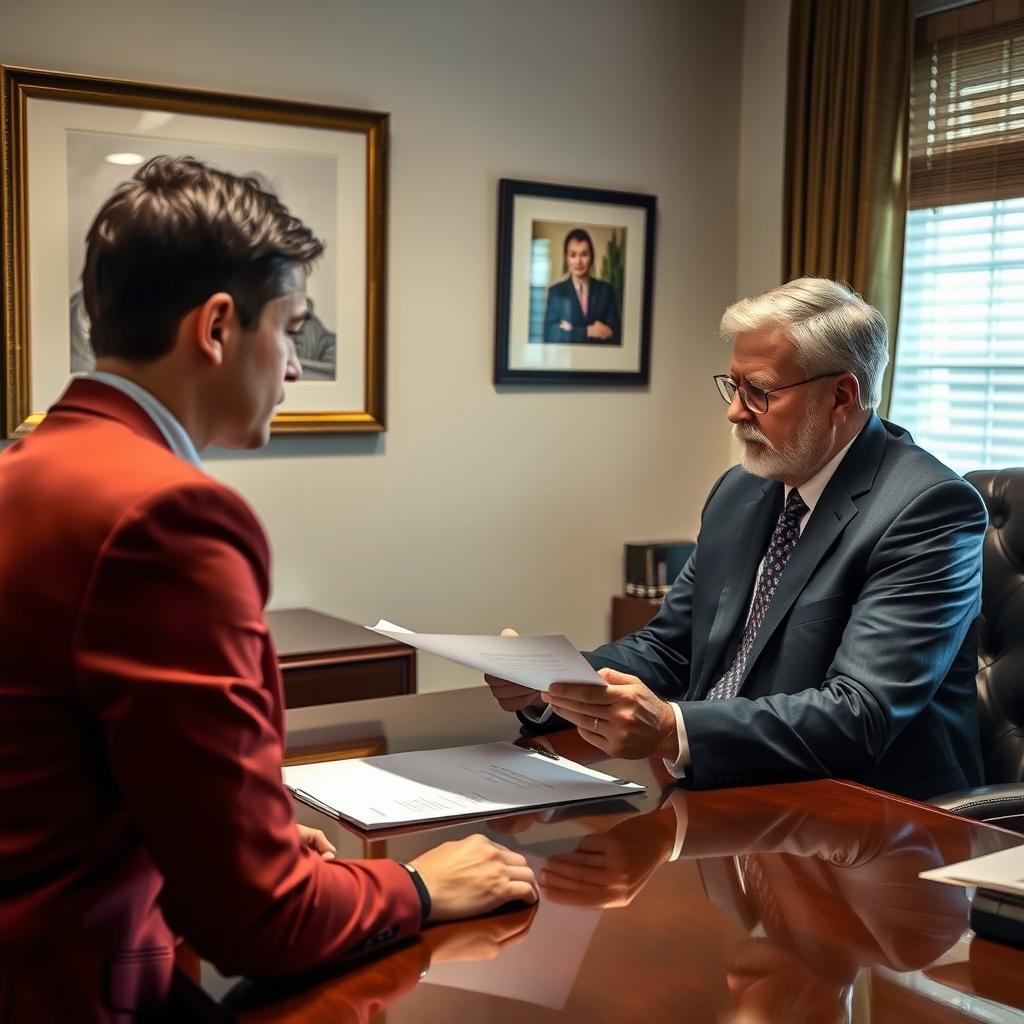
Export Control Violations lawyer King George County, VA
Federal export control violation charges are among the most actively prosecuted federal crimes. If you are facing such allegations in King George County, your case will likely be heard in the U.S. District Court for the Eastern District of Virginia (EDVA), a court known for its fast docket and high conviction rate. Investigations often involve agencies such as the FBI, the Department of Commerce’s Bureau of Industry and Security (BIS), or the Department of Homeland Security. A conviction can lead to years in federal prison and devastating financial penalties. Mr. Sris and the firm’s Of Counsel attorneys at Law Offices Of SRIS, P.C. provide experienced federal criminal defense representation for clients in King George County and throughout Northern Virginia. Reach the firm at (888) 437-7747 to schedule a consultation and discuss your situation.
What Export Control Violations Means in King George County, Virginia
Export control violations involve the unauthorized export of defense articles, dual‑use technologies, or technical data regulated by statutes such as the Arms Export Control Act (AECA), the International Traffic in Arms Regulations (ITAR), and the Export Administration Regulations (EAR). Because these offenses are charged in federal court, a King George County resident will face prosecution in the Eastern District of Virginia, most likely at the Alexandria Division. The EDVA’s “rocket docket” moves quickly; pretrial deadlines are tight and early engagement with experienced counsel is critical.
The federal system operates differently from Virginia’s state courts. There is no parole in the federal system, and the U.S. Sentencing Guidelines heavily influence the eventual sentence. Federal prosecutors from the U.S. Attorney’s Office for the Eastern District of Virginia bring significant resources to these cases, often relying on extensive electronic evidence and international cooperation. Our firm’s Fairfax Location serves King George County and the surrounding region. Mr. Sris and the firm’s Of Counsel attorneys understand how federal agents build export‑control cases and know how to develop defense strategies from the earliest stages of a federal investigation.
How Mr. Sris and the Firm’s Of Counsel Attorneys Handle Export Control Violations Cases
Defense begins the moment a client knows they are under investigation. The firm’s attorneys work to preserve evidence, engage with investigating agents where appropriate, and advocate against charges before an indictment is returned. If charges are filed, the defense team thoroughly examines the government’s case—challenging the classification of exported items, the voluntariness of statements, and the adequacy of Miranda warnings. Where the evidence allows, the firm negotiates with the U.S. Attorney’s Office for charge reductions or favorable plea agreements. When trial is necessary, the firm presents a prepared, fact‑driven defense.
Mr. Sris and the firm’s Of Counsel attorneys bring extensive combined legal experience to federal criminal matters. The defense approach considers every angle: whether the client’s conduct falls within a statutory exception, whether the government’s interpretation of the regulations is overbroad, and whether constitutional violations can lead to suppression of evidence. At sentencing, the firm advocates for downward departures based on acceptance of responsibility, minimal role, or substantial assistance where applicable. Throughout the process, clients receive straightforward advice and active advocacy aimed at achieving favorable outcomes under the circumstances.
About Mr. Sris and the Firm’s Of Counsel Attorneys
Mr. Sris, Owner and Founder of Law Offices Of SRIS, P.C., has practiced law since 1997 and is admitted in Virginia, Maryland, the District of Columbia, New Jersey, and New York. A former prosecutor, he understands how the government builds criminal cases and uses that insight to construct effective defenses for his clients. Mr. Sris testified before the Virginia House Courts of Justice Committee in support of 2019 HB 635 (chief patron Del. David Bulova).
The firm’s Of Counsel attorneys include practitioners with experience in federal court and deep familiarity with the EDVA’s procedures. Together, Mr. Sris and the firm’s Of Counsel attorneys bring extensive combined legal experience to every export‑control matter. They collaborate on legal strategy, factual investigation, and sentencing advocacy to provide clients with comprehensive federal criminal defense. For a private consultation, call (888) 437-7747. Se habla Español.
Frequently Asked Questions
What are federal export control violations?
Federal export control violations are criminal charges arising from the illegal export of defense articles, dual‑use technology, or technical data in violation of U.S. Export laws and regulations. These offenses can be prosecuted under multiple statutes, including the Arms Export Control Act and the International Emergency Economic Powers Act. The U.S. Department of Justice, often working with agencies such as the Bureau of Industry and Security or the FBI, investigates suspected violations. Convictions can result in substantial prison sentences, large fines, and collateral consequences including loss of security clearances. Early legal guidance is essential because federal investigations in this area are often lengthy and complex.
What should I do if I am facing export control violation charges in Virginia?
If you are under investigation or have been charged with an export control violation, you should contact an experienced federal criminal defense attorney immediately and refrain from speaking about the case with anyone except your lawyer. Do not attempt to explain your actions to federal agents without counsel present; anything you say can be used against you. Preserve all relevant emails, shipping records, and transaction documents. Federal authorities may have already obtained search warrants or subpoenas. Quick engagement of counsel allows early assessment of the investigation’s scope and the development of a defense strategy before charges are formally filed.
What are the potential penalties for federal export control violations?
Penalties for export control violations depend on the specific charge, the value of the export, the defendant’s role, and any prior record. Prison sentences can range from a few years to decades, and fines can reach into the millions of dollars for organizations or individuals. The federal system eliminates parole, so a defendant will serve a significant portion of any sentence imposed. Collateral consequences often include loss of export privileges, debarment from government contracting, and damage to professional reputation. An experienced attorney can evaluate the applicable guideline range and identify mitigating factors to argue for a lower sentence.
How does a Virginia lawyer defend against federal export control violations charges?
Defense strategies in export control cases often focus on challenging the government’s evidence about the nature of the exported item, the defendant’s knowledge or intent, and any procedural irregularities in the investigation. For example, a lawyer may argue that the item did not qualify as a “defense article” under ITAR, or that the defendant lacked the necessary willfulness. The firm also examines whether the government’s interpretation of the regulations is overly broad or whether exculpatory evidence exists. Pre‑trial motions can seek to suppress improperly obtained statements or evidence, and negotiation with the U.S. Attorney’s Office may lead to reduced charges or a favorable plea agreement.
Do I need a federal criminal defense lawyer in King George County?
Yes, federal export control cases require an attorney experienced in federal criminal defense and familiar with the procedures of the Eastern District of Virginia. Federal court rules differ significantly from Virginia state court practice. The EDVA’s speedy trial clock moves quickly, and the discovery process can involve extensive classified or technical material. A lawyer who does not regularly appear in federal court may not be fully prepared for the unique demands of an export control prosecution. Mr. Sris and the firm’s Of Counsel attorneys appear in the EDVA and understand the expectations of the judges and federal prosecutors in that district.
How do federal sentencing guidelines work in a King George County export control case?
Federal sentencing in the Eastern District of Virginia follows the U.S. Sentencing Guidelines, which calculate an advisory range based on offense level and criminal history. The base offense level depends on the specific export‑control statute, often with upward adjustments for the value of the exports, the involvement of national security information, or the defendant’s supervisory role. Since the guidelines are advisory following United States v. Booker, the judge has discretion to depart from the guideline range. The defense may argue for a downward variance based on factors such as acceptance of responsibility, minimal criminal history, or substantial assistance to the government. Law Offices Of SRIS, P.C. — call (888) 437-7747.
Related Federal Criminal Defense Pages:
Federal Criminal Lawyer Fairfax County, VA |
Federal Criminal Lawyer Fairfax City, VA |
Federal Criminal Lawyer Falls Church City, VA |
Federal Criminal Lawyer Prince William County, VA
Primary legal resources:
U.S. District Court for the Eastern District of Virginia |
Federal Criminal Code (18 U.S.C.)
Attorney advertising. Prior results do not guarantee a similar outcome.
Results may vary.
Case results depend on a variety of factors unique to each case.