
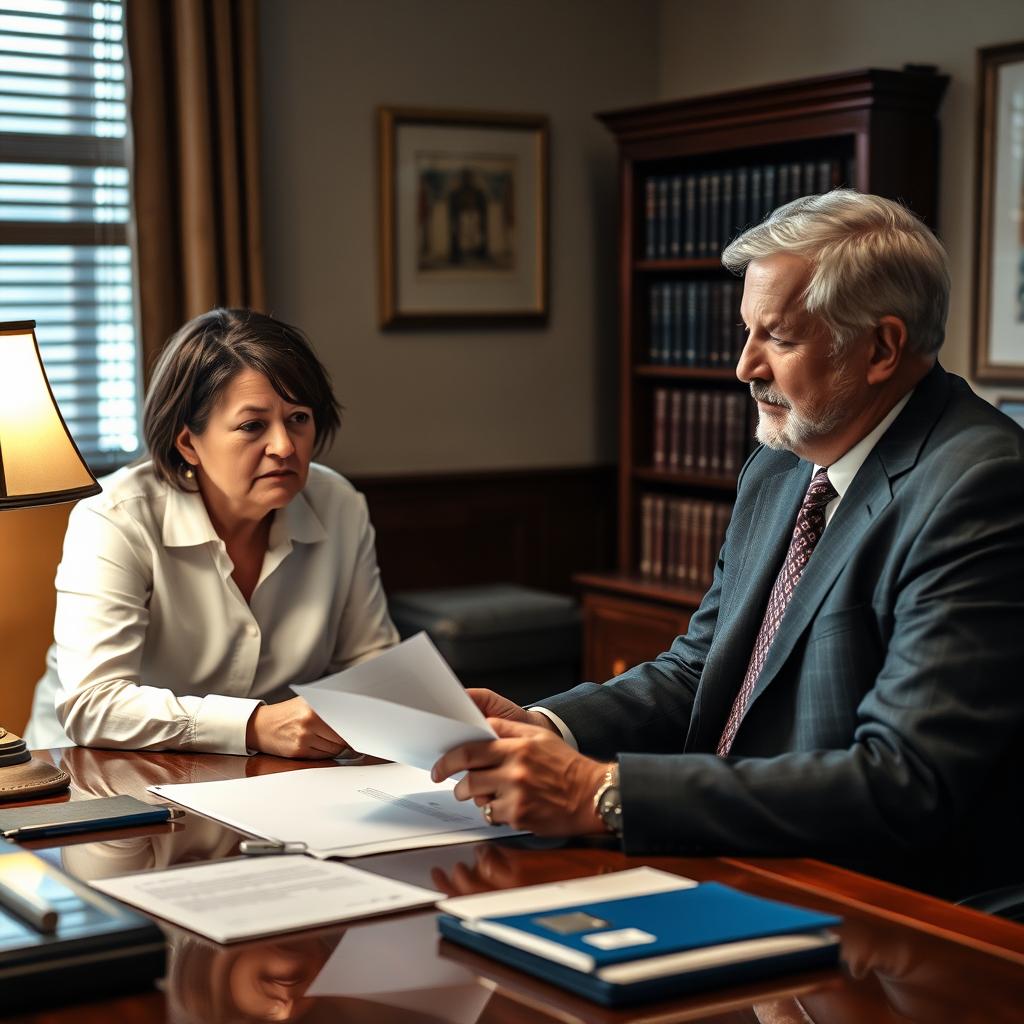
Felon in Possession lawyer Caroline County, VA
Federal charges for being a felon in possession of a firearm are among the most actively prosecuted offenses in the Eastern District of Virginia. If you are in Caroline County—whether in Bowling Green, Carmel Church, or the surrounding rural areas along I-95—and are under investigation or have been indicted under 18 U.S.C. § 922(g), you need a defense team that understands how these cases unfold in federal court. The U.S. Attorney for the Eastern District of Virginia and federal agencies such as the ATF and FBI pursue unlawful possession cases with mandatory minimum penalties, strict sentencing guidelines, and no possibility of parole. Law Offices Of SRIS, P.C. represents individuals in Caroline County facing federal felon‑in‑possession charges. Mr. Sris, the Owner and Founder, and the firm’s Of Counsel attorneys work to protect your rights from the initial investigation through trial and sentencing. To discuss your situation and learn how we can help, call (888) 437‑7747. Law Offices Of SRIS, P.C. – Advocacy Without Borders.
What a Federal Felon-in-Possession Charge Means in Caroline County
Unlike a state weapons charge that would be heard in Caroline County General District Court at 111 Ennis Street in Bowling Green, a federal felon‑in‑possession prosecution takes place in the U.S. District Court for the Eastern District of Virginia. The case is brought by the United States Attorney and is based on 18 U.S.C. § 922(g), which makes it unlawful for anyone previously convicted of a felony to ship, transport, possess, or receive a firearm or ammunition. Because the charge is federal, it carries consequences that differ markedly from Virginia state law: mandatory minimum sentences may apply, the federal sentencing guidelines control the penalty calculation, and there is no parole in the federal system. Good‑time credit is limited to roughly 54 days per year of the sentence imposed.
For a Caroline County resident, this usually means that the investigation began with a federal agency—such as the Bureau of Alcohol, Tobacco, Firearms and Explosives or the Drug Enforcement Administration—and that the indictment was returned by a federal grand jury sitting in Alexandria, Richmond, Newport News, or Norfolk. The case will then proceed through initial appearance, detention hearing, pretrial motions, and, if necessary, trial in one of those courthouses. Because the federal conviction rate is high, early intervention by an experienced defense attorney is critical. Law Offices Of SRIS, P.C. helps clients navigate these procedures and build a defense tailored to the specific facts of the case.
How the Firm Handles Felon‑in‑Possession Matters
Defending a federal felon‑in‑possession charge requires a comprehensive review of the government’s evidence and an active counter‑strategy that challenges every element the prosecutor must prove. The government must establish that the defendant was a prohibited person at the time of possession, that the item met the statutory definition of a firearm or ammunition, and that the firearm traveled in or affected interstate commerce. Mr. Sris and the firm’s Of Counsel attorneys examine the legality of the stop, search, and seizure that led to the discovery of the weapon, review the chain of custody, and investigate any potential violations of the defendant’s Fourth Amendment rights. If the evidence was obtained in violation of the Constitution, a motion to suppress can result in the exclusion of the firearm—often experienced to a dismissal.
In appropriate cases, the defense may focus on the underlying felony conviction. A prior conviction may be challenged if the defendant has had civil rights restored or if the conviction has been expunged, set aside, or pardoned. Federal law provides a narrow restoration‑of‑rights defense under 18 U.S.C. § 921(a)(20), and the firm evaluates whether that provision applies to your situation. When suppression or statutory defenses are unavailable, the team works to negotiate a favorable plea that minimizes the advisory guideline range and emphasizes mitigating factors at sentencing, such as acceptance of responsibility, substantial assistance to the government, or safety‑valve eligibility where applicable.
About Mr. Sris and the Firm’s Of Counsel Attorneys
Mr. Sris, Owner and Founder of Law Offices Of SRIS, P.C., is a former prosecutor who has been defending individuals accused of serious crimes since 1997. He is admitted to practice in Virginia, Maryland, the District of Columbia, New Jersey, and New York, and he has represented clients in federal court matters throughout the Eastern District of Virginia. His firsthand understanding of how the prosecution builds a case informs the defense strategy from the earliest stage.
The firm’s Of Counsel attorneys bring extensive combined legal experience. Results may vary. Together, the team evaluates every aspect of a felon‑in‑possession charge—from the initial charging decision through sentencing—and works to achieve the most favorable resolution possible under the federal sentencing guidelines.
Frequently Asked Questions
What are the penalties for a federal felon‑in‑possession conviction?
A conviction under 18 U.S.C. § 922(g) can result in up to 10 years in federal prison, a fine of up to $250,000, and a term of supervised release. If the defendant has three or more prior violent felony or serious drug convictions, the sentence can increase to a mandatory minimum of 15 years and up to life under the Armed Career Criminal Act. There is no parole in the federal system, and good‑conduct time is limited to roughly 54 days per year. For case‑specific guidance, contact Law Offices Of SRIS, P.C. at (888) 437‑7747.
How does a defense lawyer challenge a felon‑in‑possession charge in Virginia federal court?
A defense lawyer may challenge the charge by moving to suppress evidence obtained through an unconstitutional search or seizure, by contesting the interstate‑commerce element, or by demonstrating that the defendant’s prior felony conviction does not qualify as a predicate offense under federal law. The firm also examines whether the firearm was inoperable or did not meet the statutory definition, and whether any exception—such as a restoration of civil rights—applies. For a review of your specific case, call (888) 437‑7747.
Do I need a lawyer if I am contacted by federal agents about a firearm?
Yes—you should not speak with federal agents without an attorney present. Anything you say can be used against you in a federal prosecution. Even seemingly innocent statements can be misinterpreted or taken out of context. Invoke your right to remain silent and your right to counsel, then contact an experienced federal defense lawyer immediately. Law Offices Of SRIS, P.C. represents individuals throughout Caroline County who are being investigated for federal firearms violations.
How does the federal sentencing process work for firearms offenses in the Eastern District of Virginia?
Sentencing is governed by the U.S. Sentencing Guidelines, which assign a base offense level and apply adjustments based on the defendant’s criminal history and the specific facts of the offense. The guidelines are advisory, but judges in the Eastern District of Virginia give them substantial weight. A presentence report is prepared by probation, and both sides may file objections. The court then holds a sentencing hearing where the judge determines the final sentence after considering the guidelines and the factors in 18 U.S.C. § 3553(a). For advocacy at sentencing, reach Law Offices Of SRIS, P.C. at (888) 437‑7747.
Can a prior felony conviction be used to enhance a sentence even if it was from another state?
A prior felony conviction from any state may serve as the predicate for a felon‑in‑possession charge, and it can also trigger enhanced penalties under the Armed Career Criminal Act or the sentencing guidelines. The critical question is whether the conviction qualifies as a “crime punishable by imprisonment for a term exceeding one year” under 18 U.S.C. § 921(a)(20). That definition excludes convictions for which the person has had civil rights restored, has been pardoned, or has had the conviction expunged or set aside. An attorney can evaluate whether a prior conviction is a valid predicate under federal law. Contact the firm to discuss your history.
What should I bring to a consultation about a felon‑in‑possession charge?
Bring any charging documents, the indictment, bail papers, and any communication you have received from law enforcement or the court. If you have a copy of the search warrant or the affidavit supporting it, include that as well. A list of your prior convictions, including the jurisdiction and the sentence imposed, is helpful for determining your potential sentencing exposure. For a confidential consultation, call (888) 437‑7747.
Federal Charge Resources
The following official sources provide additional information about federal firearms prosecutions and sentencing in the Eastern District of Virginia:
- U.S. District Court for the Eastern District of Virginia
- U.S. Sentencing Commission
- 18 U.S.C. § 922 (U.S. Code)
Attorney advertising. Prior results do not guarantee a similar outcome. Case results depend on a variety of factors unique to each case. Results may vary.