
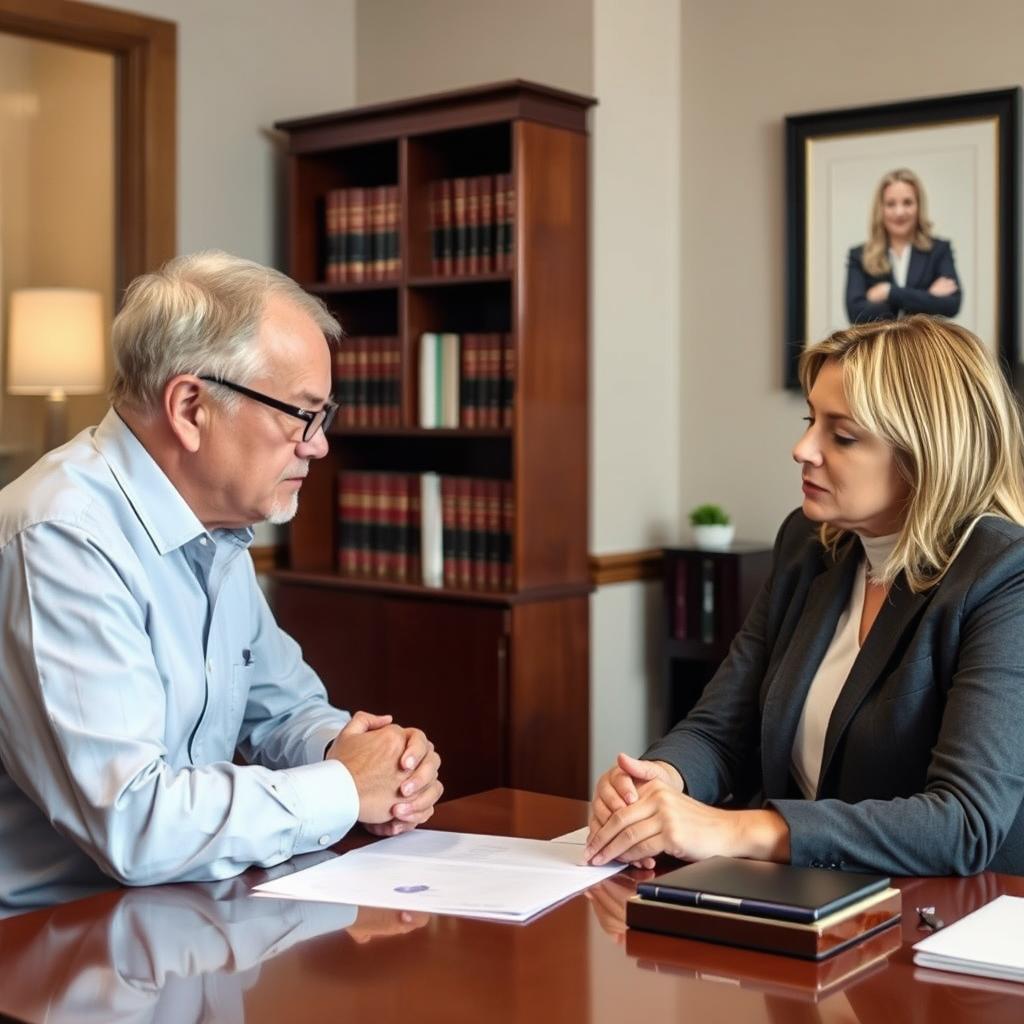
Kinship Adoption Lawyer Caroline County, VA
Kinship adoption offers a legal pathway for relatives—grandparents, aunts, uncles, and other family members—to establish a permanent parent‑child relationship when a child’s biological parents cannot care for them. In Caroline County, Virginia, the Caroline County Circuit Court at 111 Ennis Street, Bowling Green, VA 22427 handles adoption proceedings, ensuring that the child’s best interests are protected. Whether you are a grandparent seeking to adopt a grandchild or a relative stepping in to provide a stable home, understanding the legal requirements under Virginia law is essential. Mr. Sris, Owner and Founder of Law Offices Of SRIS, P.C., and his Of Counsel bring extensive combined legal experience to family law matters. For a consultation, reach the firm at (888) 437‑7747. Law Offices Of SRIS, P.C. – Advocacy Without Borders.
Kinship Adoption in Caroline County: What You Need to Know
Virginia law governs kinship adoption through a framework designed to ensure the placement serves the child’s long‑term welfare. The process involves petitioning the Circuit Court, completing a home study, and obtaining the necessary consents or terminations of parental rights. Caroline County’s court system works within the Fifteenth Judicial District, and while the Caroline County Juvenile and Domestic Relations District Court may handle preliminary custody or protective orders, the adoption itself must be concluded in the Circuit Court. Because adoption severs the legal ties between a child and their biological parents while creating a new parent‑child relationship, all steps must comply precisely with statutory requirements.
When a relative takes on the role of adoptive parent, the court considers the existing bond between the child and the relative. The home study evaluates the relative’s ability to provide a safe environment, but the kinship connection often strengthens the case for adoption. An attorney familiar with Caroline County practice can guide the family through the procedural steps—from preparing the petition to attending the final hearing—and address any challenges that may arise, such as a biological parent’s objection or the need to terminate residual parental rights.
The Kinship Adoption Process in Virginia
Under Virginia law, adoption is governed by Va. Code § 63.2‑1200 et seq. A kinship adoption begins with a petition filed in the Circuit Court. The petition must include detailed information about the child, the prospective adoptive parent(s), and the circumstances of the placement. A home study is required to assess the suitability of the home and the relative’s ability to meet the child’s needs. The Department of Social Services or a licensed child‑placing agency typically conducts the study, although in some kinship cases the court may waive certain requirements if it is in the child’s best interests.
Consent is another critical element. The biological parents must consent to the adoption, or their rights must be terminated by the court. If a parent cannot be located or refuses to consent, the court may order a termination of parental rights after a hearing. The court then holds an adoption hearing to review all evidence and determine whether the adoption is in the child’s best interests. Once the judge issues a final order of adoption, the adoptive parent receives an amended birth certificate and assumes all legal rights and responsibilities of parenthood.
Why Choose a Caroline County Kinship Adoption Lawyer
An experienced adoption lawyer helps navigate the procedural and legal complexities that can delay or derail a petition. Mr. Sris and his Of Counsel are familiar with the Caroline County Circuit Court’s practices and can anticipate issues that may arise with home studies, consents, and documents from other jurisdictions. They work to present a complete and compelling petition that complies with all statutory requirements, reducing the risk of a contested hearing.
Having legal representation also ensures that the family’s rights are protected throughout the process. If a biological parent challenges the adoption or if there are unresolved custody or support matters, an attorney can advocate for the child’s stability and the relative’s legal standing. Mr. Sris and his Of Counsel bring extensive combined experience to family law. Results may vary.
Frequently Asked Questions
What is kinship adoption in Virginia?
Kinship adoption is a legal process through which a relative—such as a grandparent, aunt, uncle, or adult sibling—adopts a child and becomes the child’s legal parent. In Virginia, kinship adoption is governed by Va. Code § 63.2‑1200 et seq. The court must find that the adoption is in the child’s best interests and that all legal requirements—including consents, home study, and termination of parental rights when necessary—have been satisfied. Once the adoption is finalized, the adoptive parent assumes all rights and responsibilities, and the child receives a new birth certificate.
Who can adopt through kinship adoption in Virginia?
In Virginia, grandparents, aunts, uncles, adult siblings, and other relatives may adopt a child through kinship adoption. The key requirement is that the prospective adoptive parent must be related to the child by blood or marriage and must demonstrate the ability to provide a stable, nurturing home. The court will consider the nature and duration of the existing relationship, the child’s adjustment to the relative’s home, and the relative’s willingness to accept the legal and financial responsibilities of parenthood. The home study process verifies the safety and suitability of the home.
How does the kinship adoption process work in Caroline County?
The process begins with filing a petition in the Caroline County Circuit Court, followed by a home study, consent or termination of parental rights, and a final adoption hearing. The petition must include the child’s background, the adoptive parent’s relationship to the child, and a statement of why the adoption serves the child’s best interests. The court may appoint a guardian ad litem to represent the child’s interests. After all legal prerequisites are met, the judge reviews the evidence and may issue a final order of adoption during a short hearing.
What is the difference between kinship adoption and kinship guardianship?
Kinship adoption permanently transfers full parental rights and responsibilities to the adoptive relative, while kinship guardianship gives the caretaker legal authority to make decisions for the child without severing the birth parents’ rights. Adoption creates a new parent‑child legal relationship and usually results in a new birth certificate. Guardianship can be temporary and may end when the parents’ circumstances improve. Kinship adoption is appropriate when reunification with the birth parents is not possible or not in the child’s best interests, while guardianship may be a less permanent alternative.
Do I need a lawyer for kinship adoption in Caroline County?
Virginia does not require you to hire a lawyer for kinship adoption, but working with an experienced adoption attorney can help ensure all legal requirements are met and reduce the risk of delays or denial. The petition requires detailed information, supporting documents, and compliance with court deadlines. An attorney can help gather evidence, prepare filings, and represent you at the hearing. If a biological parent contests the adoption, having a lawyer is especially important to protect your rights and the child’s stability.
How long does a kinship adoption take in Caroline County?
The timeline for a kinship adoption varies depending on the circumstances of the case, court scheduling, and the time needed to complete a home study and resolve any objections. Uncontested adoptions where all consents are obtained and no legal challenges exist generally move more quickly than contested adoptions. The Caroline County Circuit Court sets its own calendar, and the thoroughness of the home study process can affect the overall timeline. Your attorney can provide an estimate based on the specifics of your case.
What role does the Caroline County Circuit Court play in adoption?
The Caroline County Circuit Court has jurisdiction over adoption proceedings and issues the final order that makes the adoption legally binding. The court reviews the petition, ensures all consents or terminations of parental rights are proper, and holds a hearing to determine whether the adoption serves the child’s best interests. The judge may also address any ancillary matters, such as custody or visitation, that arise during the process. All adoption records are sealed and can be accessed only by court order.
What are the requirements for a home study in a kinship adoption?
A home study evaluates the prospective adoptive home and the relative’s ability to meet the child’s physical, emotional, and developmental needs. In Virginia, a licensed child‑placing agency or a local department of social services conducts the study. The evaluator reviews the home environment, interviews household members, examines financial stability, and checks criminal and child‑abuse records. While kinship adoptions may sometimes involve streamlined requirements, the study remains a critical step to ensure the child’s safety and well‑being.
Can I adopt a child from another state through kinship adoption in Virginia?
Yes, a relative in Virginia may adopt a child who lives in another state, but the process must comply with the Interstate Compact on the Placement of Children (ICPC). The ICPC requires approval from both the sending state and Virginia before the child can move across state lines for the purpose of adoption. Your attorney can coordinate with agencies in both states to obtain the necessary approvals. Once the ICPC clearance is obtained, the adoption can proceed in the Caroline County Circuit Court just like an in‑state adoption.
What if the child’s parents do not consent to the kinship adoption?
If a biological parent refuses to consent, the court may terminate parental rights if it finds that the parent is unfit or that the adoption is in the child’s best interests. Grounds for termination include abandonment, abuse, neglect, or a continued inability to care for the child. The court holds a hearing where evidence is presented, and the parent has the right to contest the termination. Mr. Sris and his Of Counsel can represent the prospective adoptive parent in these proceedings and work to establish that adoption serves the child’s long‑term welfare.
About Mr. Sris and His Of Counsel Team
Mr. Sris, Owner and Founder of Law Offices Of SRIS, P.C., has practiced law since 1997. A former prosecutor, he provides experienced representation in family law matters, including adoption. He is admitted in Virginia, Maryland, the District of Columbia, New Jersey, and New York. Mr. Sris and his Of Counsel approach each kinship adoption with thorough preparation and attention to the child’s best interests. The team works to streamline the process, address legal obstacles, and advocate for a stable, permanent home. For a consultation, reach the firm at (888) 437‑7747. Results may vary.
Related pages:
Virginia Family Law Practice |
Fairfax County Family Law Lawyer |
Prince William County Family Law Lawyer |
Falls Church Family Law Attorney
Virginia primary sources:
Virginia Code Title 63.2 (Adoption) |
Virginia Courts
Attorney advertising. Prior results do not guarantee a similar outcome.
Results may vary.
Case results depend on a variety of factors unique to each case.