
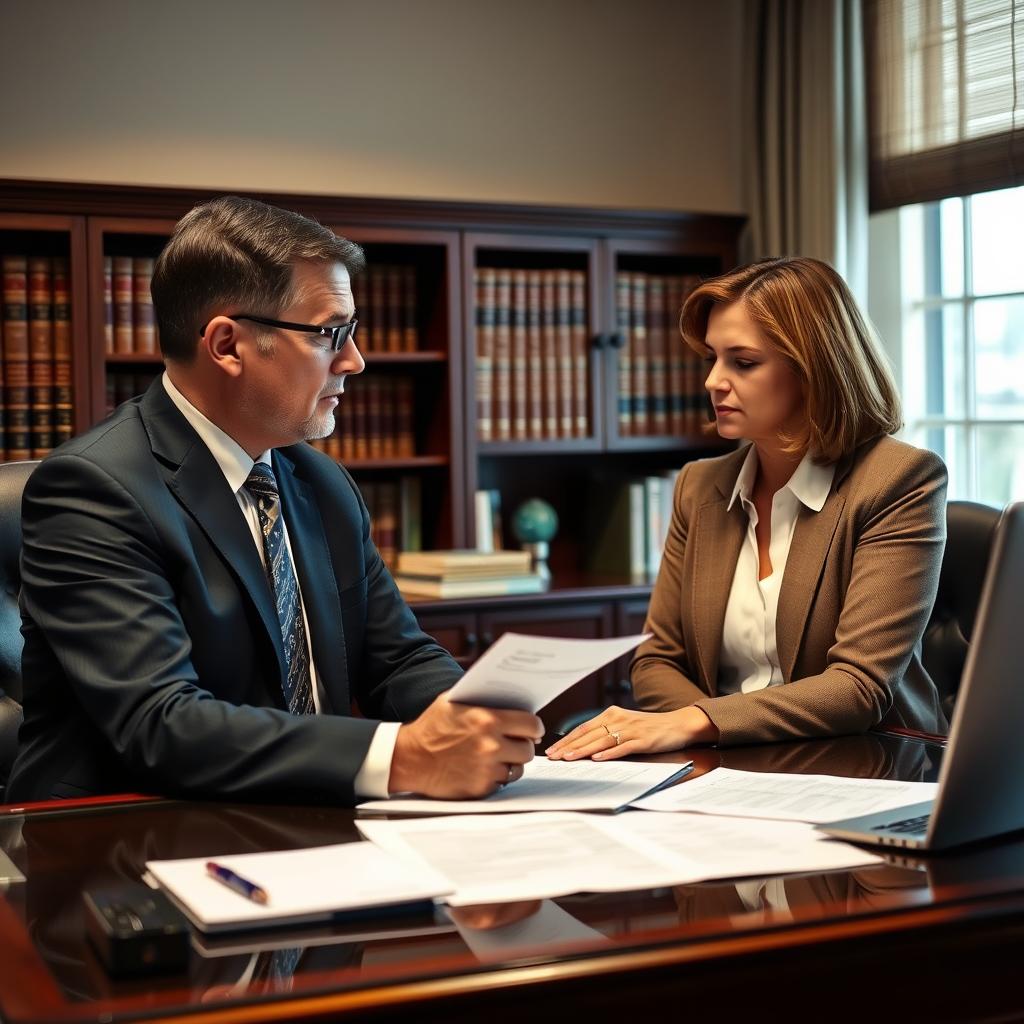
Permanent Alimony Lawyer Fredericksburg, VA
Permanent alimony—indefinite spousal support that continues without a pre‑set end date—is one of the most consequential financial issues in a Virginia divorce. In Fredericksburg, these matters are heard in the Fredericksburg Circuit Court at 701 Princess Anne Street, Suite 200, where judges apply the factors set out in Virginia Code § 20‑107.1 to decide whether a spouse should receive ongoing support. Because permanent alimony can shape a party’s financial future for years or decades, the way the case is presented to the court matters. Mr. Sris and his Of Counsel team at Law Offices Of SRIS, P.C. represent individuals in Fredericksburg who are seeking permanent alimony or who are being asked to pay it. Our Fairfax location serves Fredericksburg clients, and our attorneys are familiar with the procedures and expectations of the Fredericksburg Circuit Court. To request a consultation about your situation, call (888) 437‑7747. Law Offices Of SRIS, P.C. – Advocacy Without Borders.
What Permanent Alimony Means in Fredericksburg, Virginia
Permanent alimony—also called indefinite spousal support—is support that a court may order when a receiving spouse is unable to become self‑supporting and no defined end date is set. Unlike temporary support (pendente lite) or rehabilitative alimony, permanent alimony generally applies in long‑term marriages where one spouse has been out of the workforce for many years, has a significant health condition, or faces other barriers to employment that cannot be overcome within a fixed period.
Virginia Code § 20‑107.1 lists thirteen statutory factors that a judge in Fredericksburg Circuit Court must consider when deciding whether to award permanent spousal support and, if so, how much. These factors include the length of the marriage, the age and physical condition of each spouse, the standard of living established during the marriage, the earning capacity of each party, and any contributions one spouse made to the other’s education or career advancement. Because no single factor controls, the outcome is highly case‑specific. Judges in Fredericksburg will also look at property division under Virginia’s equitable distribution statute (§ 20‑107.3), because the assets each spouse receives can reduce or increase the need for ongoing support. In practice, a spouse who receives a disproportionate share of marital assets may be less likely to receive permanent alimony, while a spouse who walks away with few income‑producing assets may have a stronger claim for indefinite support.
Fredericksburg Circuit Court handles all divorce, equitable distribution, and spousal support matters. If a couple has minor children and custody or child support is also in dispute, those issues are heard in the Fredericksburg Juvenile and Domestic Relations Court, but the alimony award itself is made by the Circuit Court as part of the divorce proceeding. Local procedure requires parties to file a Complaint for divorce, attend a scheduling conference, and exchange financial disclosures. The judge will then set a hearing date. While some permanent alimony disputes settle through negotiation or mediation, others require a trial where witnesses, including vocational attorneys and financial analysts, may testify about a spouse’s ability to work and the marital standard of living. Our firm is familiar with how judges in Fredericksburg approach the spousal support factors and works to present the evidence in a way that addresses the court’s specific concerns.
How Mr. Sris and His Of Counsel Handle Permanent Alimony Cases
Our approach begins with a detailed analysis of the marriage’s financial history and each spouse’s current situation. We gather tax returns, pay stubs, retirement account statements, business records, and expense summaries so that we can build a clear picture of the marital standard of living and each party’s economic reality. When one spouse is seeking permanent alimony, we demonstrate how the length of the marriage, the division of labor within the household, and any health or educational limitations make it unreasonable to expect that spouse to become fully self‑supporting. When our client is the party from whom support is sought, we look for evidence that the other spouse is capable of earning at a level that reduces or eliminates the need for indefinite support, and we ensure the court has a realistic assessment of the payor’s own ability to pay without undue hardship.
Once the factual picture is clear, we work to resolve the matter efficiently. In many cases, a comprehensive separation agreement that includes a spousal support provision can be reached without a trial. If trial is necessary, Mr. Sris and his Of Counsel present the case in Fredericksburg Circuit Court with a focus on the statutory factors and the specific evidence that the law requires the judge to weigh. Because permanent alimony orders can be revisited later if circumstances change, we also counsel our clients on how to structure settlements or trial outcomes so that the order is clear and enforceable. Our goal is to help the client reach a result that is fair under Virginia law and that provides practical financial certainty.
About Mr. Sris and His Of Counsel Team
Law Offices Of SRIS, P.C. was founded in 1997 by Mr. Sris, a former prosecutor who now concentrates his practice in family law, criminal defense, and other areas. Mr. Sris is admitted in Virginia, Maryland, the District of Columbia, New Jersey, and New York, and he has substantial experience in Virginia spousal support litigation. Mr. Sris testified before the Virginia House Courts of Justice Committee in support of 2019 HB 635 (chief patron Del. David Bulova), which revised a subsection of the equitable distribution statute, demonstrating his engagement with Virginia family law at the legislative level.
Mr. Sris works alongside a team of Of Counsel attorneys, all of whom are engaged through Excella. The Of Counsel team brings a range of backgrounds—including former prosecution, law enforcement, and civil litigation experience—that complement Mr. Sris’s practice. Together, Mr. Sris and his Of Counsel have handled a wide variety of family law matters across Virginia, and they are familiar with the Fredericksburg courts. Every case is handled collaboratively, with Mr. Sris maintaining personal oversight of litigation strategy while drawing on the collective perspective of the team.
Frequently Asked Questions
What is permanent alimony in Virginia?
Permanent alimony is indefinite spousal support that continues until the death of either party or the remarriage of the recipient, unless the court later modifies or terminates it. Under Virginia Code § 20‑107.1, a judge may award permanent alimony when the receiving spouse demonstrates a need for ongoing support and the payor has the ability to pay. The court considers thirteen statutory factors, including the length of the marriage, the standard of living during the marriage, and each spouse’s earning capacity. Permanent alimony is most common in long‑term marriages where one spouse has been out of the workforce for an extended period or has health limitations that prevent self‑sufficiency. The award is not automatic; the spouse seeking support must present evidence that indefinite support is warranted under the specific circumstances of the marriage.
How does a judge decide whether to award permanent alimony in Fredericksburg?
The judge examines the thirteen factors listed in Virginia Code § 20‑107.1 and weighs the evidence presented by both sides at a hearing in Fredericksburg Circuit Court. The judge will consider the length of the marriage, the age and health of each spouse, the contributions each spouse made to the family, the earning abilities of each party, and any conduct that contributed to the breakdown of the marriage, if relevant to economic circumstances. Because permanent alimony is intended to meet an ongoing need, the spouse requesting it usually must show that retraining or a reasonable period of vocational rehabilitation will not allow them to become self‑supporting. The judge also looks at the property division ordered under § 20‑107.3 to determine whether the receiving spouse already has sufficient assets to meet their needs. The decision is fact‑intensive, and the outcome depends on the strength of the financial evidence and testimony presented.
Can permanent alimony be changed after the divorce is final?
Yes, a Virginia court may modify or terminate a permanent alimony award if the party seeking the change proves a material change in circumstances that was not anticipated at the time of the original order. Common grounds for modification include a substantial increase or decrease in either spouse’s income, the payor’s retirement, cohabitation by the recipient in a relationship analogous to marriage, or remarriage of the recipient—though remarriage automatically terminates spousal support under Virginia law. A petition to modify support must be filed in the Circuit Court that issued the original order. The judge will hold a hearing and review updated financial information. Because modification requires proof of a significant and unanticipated change, the standard is not trivial; the party requesting the change bears the burden of proving that the original order is no longer appropriate. Our firm handles modification proceedings for clients in Fredericksburg and can advise whether your circumstances may support a modification request.
Is permanent alimony taxable in Virginia?
Under current federal tax law, permanent alimony is generally not included in the recipient’s gross income and is not deductible by the payor for divorces finalized after December 31, 2018. The Tax Cuts and Jobs Act of 2017 eliminated the alimony deduction for payors and the income inclusion for recipients for any divorce or separation instrument executed after 2018 (unless the instrument was modified to expressly adopt the new treatment). For earlier decrees, different rules may apply. Because state tax treatment and the interplay with federal rules can vary, anyone negotiating a permanent alimony agreement should consult with a tax professional. Our firm can help structure a spousal support provision that takes the current tax landscape into account, and we can recommend independent tax advisors to address your specific filing situation.
Do I need a lawyer for a permanent alimony case in Fredericksburg?
You are not legally required to have a lawyer, but permanent alimony decisions involve complex financial analysis and legal standards that can have life‑long consequences, so representation is strongly advisable. The Fredericksburg Circuit Court expects parties to present evidence of income, expenses, assets, debts, earning capacity, and the marital standard of living. Procedural rules require the exchange of financial disclosures and may involve expert witnesses. Without an attorney, a party may overlook income sources, miscalculate support guidelines, or fail to present the evidence the judge needs to make a fair decision. A lawyer can also negotiate a separation agreement that avoids litigation while protecting your financial interests. If you are considering a permanent alimony claim or are being asked to pay indefinite support, speaking with an experienced attorney can help you understand your rights and the likely range of outcomes before you make decisions that are difficult to undo. To discuss your situation, call Mr. Sris and his Of Counsel at (888) 437‑7747.
Related family law resources:
- Family law lawyer in Fairfax County
- Family law lawyer in Fairfax City
- Family law lawyer in Falls Church
- Family law lawyer in Prince William County
- Family law lawyer in Manassas
Official Virginia sources:
Virginia Code § 20‑107.1 – Spousal Support Factors
Fredericksburg Circuit Court
Virginia’s Court System
Attorney advertising. Prior results do not guarantee a similar outcome.
Case results depend on a variety of factors unique to each case.