
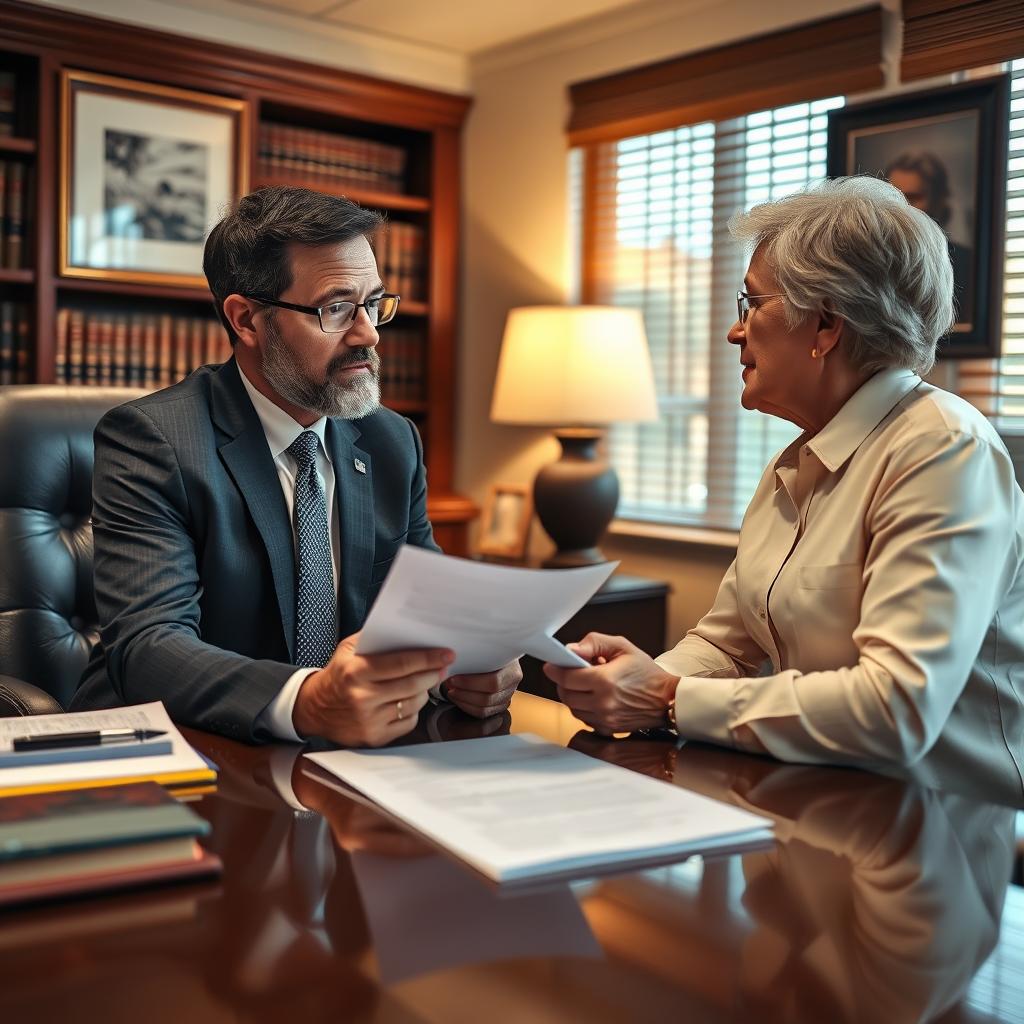
Property Damage Lawyer Fredericksburg, VA
Property damage charges in Fredericksburg, Virginia, carry consequences that extend well beyond a court-imposed fine. When the Commonwealth’s Attorney files a charge under Va. Code § 18.2-137, a conviction can mean jail time, a permanent criminal record, and a lasting impact on employment, housing, and professional licensure. Law Offices Of SRIS, P.C. Concentrates its Virginia practice on defending individuals facing criminal allegations, including those involving destruction of property, vandalism, and related charges. Mr. Sris, a former prosecutor, and his Of Counsel team, which includes a former Virginia State Trooper, bring over 120 years of combined legal experience and 4,739+ documented firm-wide results to every criminal defense matter. Results may vary. We represent clients at the Fredericksburg General District Court and Fredericksburg Circuit Court, working toward a favorable resolution while protecting your rights at each stage. If you need a property damage lawyer in Fredericksburg, reach Law Offices Of SRIS, P.C. at (888) 437-7747 to request a consultation. Law Offices Of SRIS, P.C. – Advocacy Without Borders.
What Criminal Property Damage Means in Fredericksburg
In Virginia, property damage is often charged under the state’s destruction of property statute. Under Va. Code § 18.2-137, intentionally damaging, destroying, or defacing another person’s personal property can result in criminal prosecution. The severity of the charge depends primarily on the dollar value of the damage. When the alleged damage is less than $1,000, the offense is generally classified as a Class 1 misdemeanor. If the damage is valued at $1,000 or more, the charge may be brought as a Class 6 felony. This threshold is important because it affects which court has jurisdiction and the potential penalties a person may face. A Class 1 misdemeanor can carry up to 12 months in jail and a fine of up to $2,500, while a Class 6 felony carries a potential sentence of one to five years in prison.
In Fredericksburg, misdemeanor property damage cases are heard at the Fredericksburg General District Court, located at 701 Princess Anne St, Suite 200, Fredericksburg, VA 22401. Felony matters proceed through the Fredericksburg Circuit Court, which also handles all appeals from the General District Court. The Commonwealth’s Attorney for Fredericksburg prosecutes both levels of offense. Courtroom practice in Fredericksburg rewards thorough preparation and a clear understanding of the local docket. Mr. Sris and his Of Counsel regularly appear in these courts and understand how theft, vandalism, and destruction-of-property allegations are handled by the Commonwealth’s Attorney’s office. That familiarity helps our team identify an appropriate procedural and substantive strategies for each client’s situation.
In addition to criminal penalties, a conviction for property damage can trigger a civil obligation to pay restitution to the alleged victim. This restitution is separate from any fine and can be substantial, particularly if the damage includes commercial or insured property. A criminal record for a property offense may also create obstacles to obtaining or keeping a professional license, qualifying for certain housing opportunities, or passing a background check. For noncitizen residents, even a misdemeanor property offense can carry immigration consequences. Taking the charge seriously from the start is often the most effective way to protect your future.
How Mr. Sris and His Of Counsel Handle Criminal Property Damage Cases
When a client comes to Law Offices Of SRIS, P.C. Facing a property damage allegation in Fredericksburg, the first step is a thorough review of the evidence. Mr. Sris and his Of Counsel examine police reports, witness statements, photographs, repair estimates, and any surveillance footage that may exist. We look for procedural missteps that may affect the admissibility of evidence, such as an unlawful search, an incomplete police investigation, or a statement obtained without proper warnings. In many cases, the dollar value assigned to the damage is also a key issue; challenging that valuation can sometimes lead to a reduction from a felony to a misdemeanor or even a dismissal.
Once the evidence is assessed, our team discusses the client’s goals and explains the likely trajectory of the case in the Fredericksburg court system. If the case is in the General District Court, the timeline is often more condensed, and the court will set the matter for trial or, in some instances, consider a negotiated resolution. In the Circuit Court, the process is more formal and may involve a jury trial if a client wishes to exercise that right. Throughout the process, we communicate with the Commonwealth’s Attorney’s Office to explore resolution possibilities, including amendment of the charge or participation in a first-offender program when available. Because Mr. Sris is a former prosecutor and one of our Of Counsel is a former Virginia State Trooper, our team has a practical understanding of how law enforcement and prosecutors build their cases and where their theories may have weaknesses.
We also address the collateral consequences of a charge. For property damage cases, having a record that shows a conviction for an offense involving dishonesty or damage to property can affect employment in fields that require bonding or trust. Our representation includes advising clients on the steps they can take to mitigate these risks even while the case is pending. Every strategy we develop is designed to work toward a favorable outcome while keeping the client informed about the realistic options available under Virginia law. Results may vary.
About Mr. Sris and His Of Counsel Team
Mr. Sris, Owner and Founder of Law Offices Of SRIS, P.C., founded the firm in 1997 after serving as a prosecutor. His firsthand prosecutorial experience gives him insight into how the Commonwealth builds its case and what arguments are likely to persuade a judge or a jury. Mr. Sris is admitted to practice in Virginia, Maryland, the District of Columbia, New Jersey, and New York, and he has testified before the Virginia House Courts of Justice Committee in support of 2019 HB 635 (chief patron Del. David Bulova). Over more than two decades, he has concentrated his practice on criminal defense, family law, and complex litigation, working alongside a carefully selected Of Counsel team.
Mr. Sris’s Of Counsel include attorneys with unique backgrounds that strengthen the firm’s ability to defend property damage charges. Among them is a former Virginia State Trooper who served for 15 years in law enforcement, conducting criminal investigations across central and southern Virginia. That experience means our team understands police procedures, accident reconstruction methodology, and the investigative techniques that can produce evidence in a property-related case. Every attorney working on a Fredericksburg matter brings substantial litigation experience, and the firm draws on over 120 years of combined legal experience and 4,739+ documented firm-wide results between Mr. Sris and his Of Counsel. Results may vary. We appear regularly in the Fredericksburg General District and Circuit Courts, advocating for clients with a practical, informed approach.
Frequently Asked Questions
What is the difference between a misdemeanor and felony property damage charge in Virginia?
A property damage charge is classified as a misdemeanor or felony based on the dollar value of the damage. Under Virginia law, intentionally damaging property worth less than $1,000 is a Class 1 misdemeanor, which carries up to 12 months in jail and a fine of up to $2,500. If the damage is valued at $1,000 or more, the offense becomes a Class 6 felony, punishable by one to five years in prison. Misdemeanors are heard in the Fredericksburg General District Court, while felonies proceed in the Fredericksburg Circuit Court. The classification affects the right to a jury trial, the complexity of the proceedings, and the long-term collateral consequences of a conviction.
Can I face jail time for destruction of property in Fredericksburg?
Yes, a conviction for destruction of property in Fredericksburg can result in jail time. Even a first-offense Class 1 misdemeanor carries the possibility of up to 12 months in jail, and a felony property damage charge can lead to a prison sentence of several years. The actual sentence often depends on factors such as the extent of the damage, the defendant’s prior record, and whether the case involves a plea agreement or a trial. An experienced criminal defense attorney can advise you on the realistic range of outcomes in your specific situation and work to minimize exposure to incarceration.
How does a Fredericksburg property damage lawyer defend against these charges?
Defending a property damage charge often starts with a close examination of the evidence and the valuation of the loss. A lawyer may challenge whether the damage was intentional, identify problems with how the police investigated the incident, or dispute the alleged dollar amount to move the case from felony to misdemeanor territory. In some cases, evidence may support a defense of accident, consent, or mistaken identity. The attorney can also negotiate with the Commonwealth’s Attorney for a reduced charge or for entry into a diversion program when the client is eligible. Every defense strategy is built around the unique facts of the case and the client’s priorities.
What should I do if I am accused of property damage in Fredericksburg?
If you are accused of property damage, take the charge seriously and avoid discussing the case with anyone other than a lawyer. Statements you make to police, witnesses, or even on social media can be used against you. Preserve any evidence you may have, including photographs, receipts, or communications that could be relevant. Contact a criminal defense attorney as soon as possible so that you can receive guidance on how to handle interactions with law enforcement and understand the procedural steps that will follow. Early legal involvement often creates more options for a favorable resolution.
Is property damage a deportable offense for noncitizens?
A property damage conviction can have serious immigration consequences, depending on the classification of the offense and the individual’s immigration status. Certain crimes involving moral turpitude or aggravated felonies can trigger removal proceedings under federal immigration law. Even a misdemeanor may affect eligibility for naturalization or adjustment of status. If you are not a United States citizen and are facing a property damage charge, it is important that your criminal defense attorney coordinates with an immigration lawyer to understand the full range of potential consequences and structure a resolution that minimizes immigration risk.
How do I get a consultation with a Fredericksburg property damage lawyer?
You can request a consultation with Law Offices Of SRIS, P.C. by calling (888) 437-7747. Phones are answered 24 hours a day, seven days a week, and appointments are available at a time that fits your schedule. During the consultation, an attorney will listen to the facts of your situation, explain the relevant Virginia laws, and outline the possible defense strategies. The consultation is an opportunity for you to understand your options and decide how you want to move forward, with no pressure and a clear focus on your legal rights.
Explore related criminal defense pages:
Fairfax County criminal lawyer ·
Prince William County criminal lawyer ·
Manassas criminal lawyer ·
Falls Church criminal lawyer ·
Fairfax City criminal lawyer
Primary legal sources:
Virginia Code ·
Fredericksburg Circuit Court ·
Fredericksburg General District Court
Attorney advertising. Prior results do not guarantee a similar outcome. Results may vary.
Case results depend on a variety of factors unique to each case.