
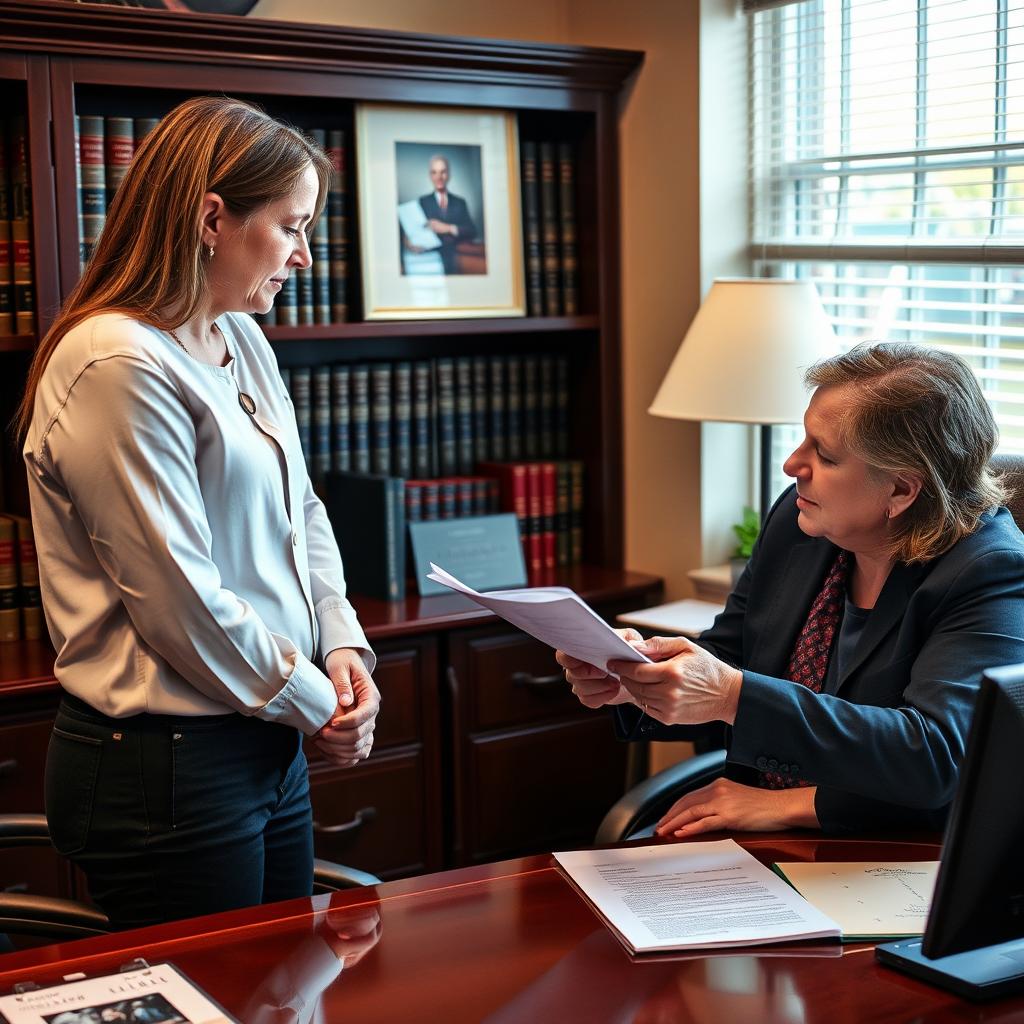
Settlement Lawyer in Fauquier County, VA
A settlement agreement is a legally binding contract that resolves a dispute without a trial. In Fauquier County, these agreements are governed by Virginia contract law and must be carefully drafted to be enforceable. As your settlement lawyer Fauquier County, Law Offices Of SRIS, P.C.
Virginia Law on Settlement Agreements
In Virginia, a settlement agreement is a contract subject to general contract principles. For it to be valid and enforceable, it must contain an offer, acceptance, and consideration, and the terms must be sufficiently definite. The agreement resolves the underlying legal claim, and once signed, it typically bars any future lawsuit on the same matter. Virginia courts favor settlements as a means of conserving judicial resources.
Last verified: April 2026 | Fauquier County General District Court | Virginia Code
Official Legal Resources
Understanding the legal framework is crucial. You can review the Virginia statute on settlement agreements (Va. Code § 8.01-35.1). For local court procedures, visit the Fauquier County General District Court website.
Local Procedural Insights for Fauquier County
In Fauquier County, whether your case is in General District Court (for claims up to $25,000) or Circuit Court, reaching a settlement can significantly shorten the timeline and reduce costs. A formal settlement is often memorialized in a written “stipulation of settlement” presented to the judge for incorporation into a final order. This makes the terms enforceable as a court judgment.
- Initial Negotiation: Your attorney will communicate with the opposing party to outline settlement terms.
- Drafting the Agreement: A full document is prepared, detailing all terms, payment schedules, and release of claims.
- Review and Revision: Both parties and their counsel review the draft, negotiate changes, and finalize language.
- Execution: All parties sign the agreement. In court cases, it is presented to the judge.
- Court Approval (if applicable): The judge reviews the agreement to ensure it is fair and voluntary before entering an order.
- Enforcement: If a party breaches the agreement, your attorney can file a motion to enforce the court’s order.
Why Choose Our Firm for Your Settlement
Founded in 1997 by former prosecutor Mr. Sris, Law Offices Of SRIS, P.C. brings a deep understanding of Virginia law and local Fauquier County court procedures to every case. Our firm-wide track record includes over 4,739 documented case results. We approach each settlement with a strategic focus on achieving a final, enforceable resolution that meets your goals.
Samantha Rae Powers, Associate Attorney at Law Offices Of SRIS, P.C. — Licensed in VA, FL. Experienced family law and civil litigator. View Samantha Rae Powers’s Profile
Case Results and Client Advocacy
Our firm has a proven history of achieving favorable resolutions for clients through skilled negotiation. While specific results are unique to each case, our approach as a dedicated settlement lawyer Fauquier County focuses on securing clear, binding terms that prevent future disputes.
Results may vary. Prior results do not guarantee a similar outcome.
For complex contract and business matters, our team includes attorney Samantha Powers, who holds a J.D. and a Ph.D. in Communication, providing nuanced skill in negotiation and agreement drafting.
Contact Our Fauquier County Settlement Lawyers
Our Fairfax location serves clients throughout Fauquier County, including Warrenton, New Baltimore, Bealeton, Marshall, and The Plains. We are accessible via I-66, Route 29, and other major highways.
Law Offices Of SRIS, P.C.
4008 Williamsburg Ct, Fairfax, VA 22032
Toll-Free: (888) 437-7747 | Local: (703) 636-5417
By appointment only.
24/7 phone consultations — meetings by appointment only.
Frequently Asked Questions: Settlement Agreements in Fauquier County
Do I need a lawyer for a settlement agreement in Fauquier County?
Yes. A lawyer ensures the agreement is legally sound, covers all necessary terms, and protects your rights. An improperly drafted settlement can leave you exposed to future claims or unable to enforce the terms.
Is a verbal settlement agreement binding in Virginia?
It depends. While some oral contracts may be enforceable under Virginia’s Statute of Frauds, a settlement agreement is strongly advised to be in writing. A written contract provides clear evidence of the terms and is required for court enforcement.
Can a settlement agreement be overturned?
It is very difficult. Virginia courts will only set aside a settlement for reasons like fraud, duress, mutual mistake, or lack of legal capacity. This underscores the importance of having a dispute resolution lawyer Fauquier County review the agreement before you sign.
What should be included in a settlement agreement?
Key elements include the identities of the parties, a recital of the dispute, the specific settlement terms (e.g., payment amount and schedule), a full release of claims, confidentiality clauses, and provisions for enforcement and attorney’s fees.
How long does it take to finalize a settlement?
The timeline varies. Simple agreements may be finalized in days, while complex negotiations involving multiple parties can take weeks or months. Having an experienced settlement lawyer Fauquier County can simplify the process.
Related Legal Services: If you are dealing with a contract dispute, consider speaking with a contract lawyer in Fauquier County. For broader business legal needs, our Fauquier County business lawyers can assist. Explore more about our firm’s approach on our Virginia contract lawyer hub page.
Page Last verified: April 2026. Laws and procedures change. Contact Law Offices Of SRIS, P.C. at (888) 437-7747 for current legal guidance regarding your specific situation.