
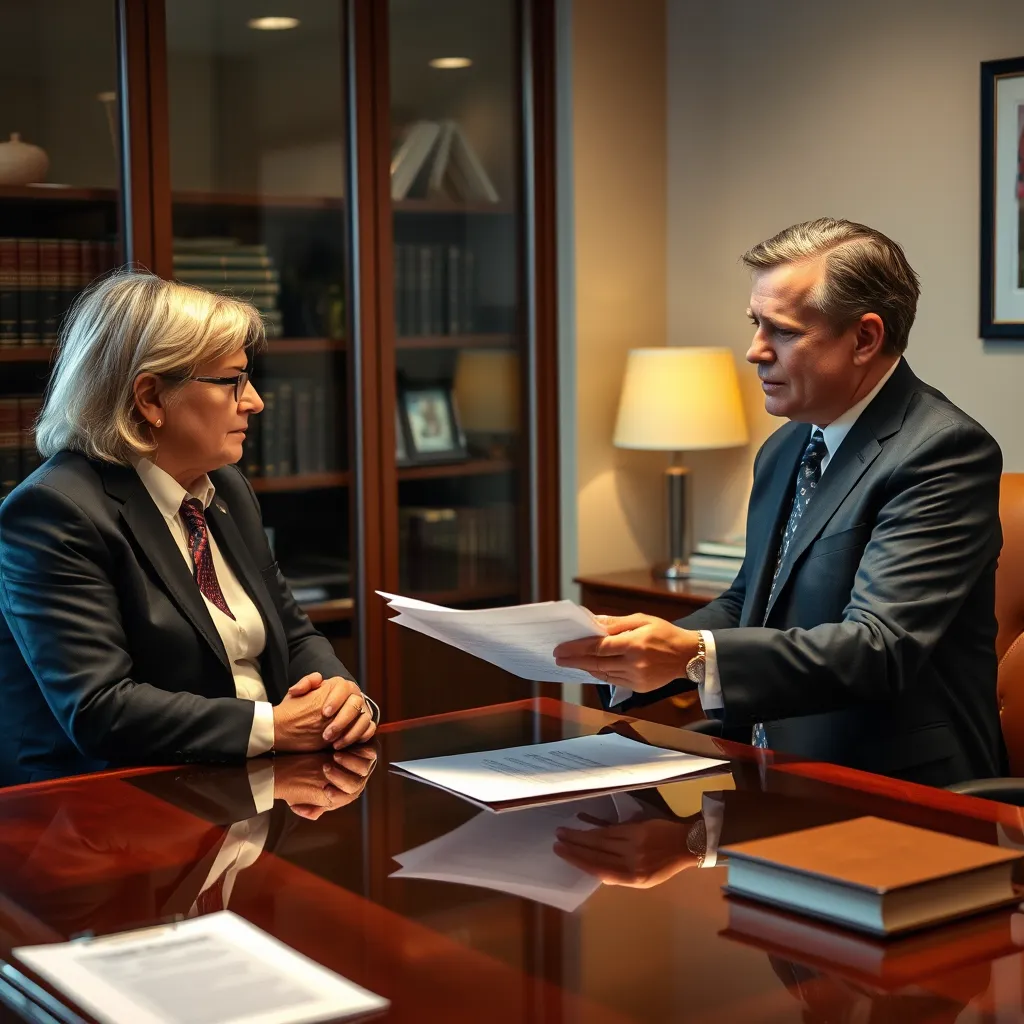
Note: This article is confirmed by Law Offices Of SRIS, P.C.
WRITTEN BY: Mr. Sris
Since 1997, Mr. Sris has led the firm, focusing on the most challenging criminal and family law cases. His background in accounting and information management aids in financial and technology-related cases. Involved in significant legislative changes in Virginia. My focus since founding the firm in 1997 has always been directed towards personally handling the most challenging and involved criminal and family law matters our clients face.
Postnuptial Agreement Lawyer Arlington VA
What is a Postnuptial Agreement
A postnuptial agreement serves as a formal arrangement between married partners that establishes terms for potential separation or divorce. Unlike prenuptial agreements created before marriage, postnuptial agreements are developed during the marriage. These documents typically cover property division, debt allocation, spousal support arrangements, and inheritance rights. In Virginia, postnuptial agreements must meet specific legal standards to be valid and enforceable.
The process begins with both parties fully disclosing their financial situations. Complete transparency about assets, debts, income, and liabilities is essential. Each spouse should have independent legal representation to ensure their rights are protected. The agreement must be entered into voluntarily without coercion or pressure. Both parties need adequate time to review the document and understand its implications before signing.
Virginia courts examine several factors when evaluating postnuptial agreements. The agreement must be fair and reasonable at the time of execution. It cannot promote divorce or separation. Both parties must have had the opportunity to consult with separate attorneys. Full financial disclosure is mandatory. The agreement should not leave either spouse in a position of public assistance. Courts also consider whether both parties understood the terms and consequences.
Professional legal guidance ensures postnuptial agreements meet all Virginia requirements. Attorneys help draft clear language that addresses specific concerns while complying with state laws. They review existing agreements for enforceability issues. Legal professionals also assist with modifications if circumstances change during the marriage. Proper documentation and execution procedures are followed to create legally sound agreements.
How to Create a Valid Postnuptial Agreement
The first step in creating a postnuptial agreement involves comprehensive financial disclosure. Both spouses must provide complete information about all assets, debts, income sources, and financial obligations. This includes bank accounts, investment portfolios, real estate holdings, retirement accounts, business interests, and personal property. Documentation should be organized and presented clearly. Full transparency prevents future challenges based on inadequate disclosure or hidden assets.
Independent legal representation is essential for both parties. Each spouse should consult with their own attorney who can explain rights, obligations, and potential consequences. Lawyers review proposed terms, suggest modifications, and ensure the agreement complies with Virginia law. Separate representation helps prevent claims of coercion or unequal bargaining power. Attorneys also document that both parties entered the agreement voluntarily with full understanding of its terms.
The agreement must be drafted with clear, specific language that addresses all relevant matters. Typical provisions include property classification (separate vs. marital), division methods for assets and debts, spousal support terms, inheritance rights, and dispute resolution procedures. The document should account for potential changes like career advancements, inheritances, or business growth. Specificity prevents ambiguity and future disagreements about interpretation.
Proper execution and documentation complete the process. Both parties should sign the agreement before witnesses and a notary public. Copies should be provided to each spouse and their attorneys. The original document should be stored securely. Some couples choose to record certain provisions with relevant authorities. Following correct execution procedures helps establish the agreement’s validity if challenged in court.
Can I Modify or Challenge a Postnuptial Agreement
Modifying a postnuptial agreement requires mutual agreement between both spouses. Changes typically involve amending specific provisions while keeping the overall agreement intact. Common reasons for modification include significant financial changes, career advancements, inheritance receipts, business developments, or family circumstances like children’s births. Both parties must voluntarily agree to modifications with full understanding of implications. Modified agreements should follow the same formalities as the original document.
Virginia courts may consider several grounds when evaluating challenges to postnuptial agreements. Lack of voluntary participation is a primary concern. If one spouse was pressured, threatened, or coerced into signing, the agreement may be invalidated. Inadequate financial disclosure represents another valid challenge. If either party hid assets, misrepresented financial situations, or failed to provide complete information, courts may set aside the agreement.
Unconscionability at execution or enforcement represents another challenge ground. If the agreement was grossly unfair when signed, or if circumstances have changed making enforcement fundamentally unjust, courts may intervene. Agreements that promote divorce or separation may also be invalidated. Virginia law requires these contracts to support marriage rather than encourage its dissolution.
Procedural defects can undermine agreement validity. These include lack of independent legal representation, inadequate time for review, unclear language, or improper execution. Courts examine whether both parties understood the terms and consequences. They consider whether the agreement leaves either spouse in a position requiring public assistance. Legal professionals help assess challenge viability and represent clients in modification or litigation proceedings.
Why Hire Legal Help for Postnuptial Agreements
Professional legal guidance helps ensure postnuptial agreements comply with Virginia statutory requirements and case law. Attorneys understand specific provisions needed for enforceability and common pitfalls to avoid. They draft clear language that addresses unique family circumstances while meeting legal standards. Legal professionals stay current with evolving laws and court interpretations that may affect agreement validity. This knowledge helps create documents that withstand potential challenges.
Attorneys facilitate proper financial disclosure processes. They help clients gather and organize necessary documentation while ensuring complete transparency. Lawyers review disclosed information for accuracy and completeness. They identify potential issues like hidden assets or undervalued property. Proper disclosure procedures prevent future claims of inadequate information or misrepresentation that could invalidate the agreement.
Legal representation protects individual rights throughout the process. Each spouse’s attorney explains implications of proposed terms, suggests modifications, and ensures understanding before signing. Lawyers document that participation was voluntary and informed. They address power imbalances that might affect negotiation fairness. This protection helps prevent claims of coercion or unequal bargaining positions.
Professional assistance continues beyond agreement execution. Attorneys help with modifications if circumstances change significantly. They represent clients in enforcement proceedings if disputes arise. Legal professionals provide guidance on how agreements interact with other estate planning documents. They offer advice on compliance with terms during the marriage. Ongoing support ensures agreements remain effective and enforceable over time.
FAQ:
What makes a postnuptial agreement valid in Virginia?
Virginia requires full financial disclosure, voluntary participation, independent legal representation for both spouses, and fair terms at execution.
How does a postnuptial agreement differ from a prenuptial agreement?
Prenuptial agreements are created before marriage while postnuptial agreements are made during the marriage, but both address similar financial matters.
Can a postnuptial agreement address child custody or support?
Virginia courts determine child-related matters based on current circumstances, so these provisions may not be enforceable in postnuptial agreements.
What happens if we don’t follow the agreement’s terms?
The other spouse can seek court enforcement, and violations may affect how courts view the agreement in future proceedings.
Can we create a postnuptial agreement if we’re already separated?
Yes, but separation agreements serve similar purposes, and timing may affect how courts view the document’s validity.
How much does a postnuptial agreement typically cost?
Costs vary based on challenge, assets involved, and whether both spouses need separate legal representation.
What financial information must be disclosed?
Complete details of all assets, debts, income sources, investments, retirement accounts, and financial obligations must be shared.
Can a postnuptial agreement be canceled or revoked?
Yes, both spouses can mutually agree to cancel the agreement, typically through a written revocation document.
How long does it take to create a postnuptial agreement?
The process typically takes several weeks to allow for financial disclosure, attorney review, negotiations, and proper documentation.
What if my spouse refuses to get a lawyer?
Virginia courts may view agreements without independent legal representation for both parties with skepticism regarding voluntary participation.
Can a postnuptial agreement protect inheritance rights?
Yes, these agreements can specify how inheritances should be treated as separate or marital property.
What if our financial situation changes significantly?
The agreement can be modified with mutual consent, or courts may consider changed circumstances if the agreement becomes unfair.
Past results do not predict future outcomes