
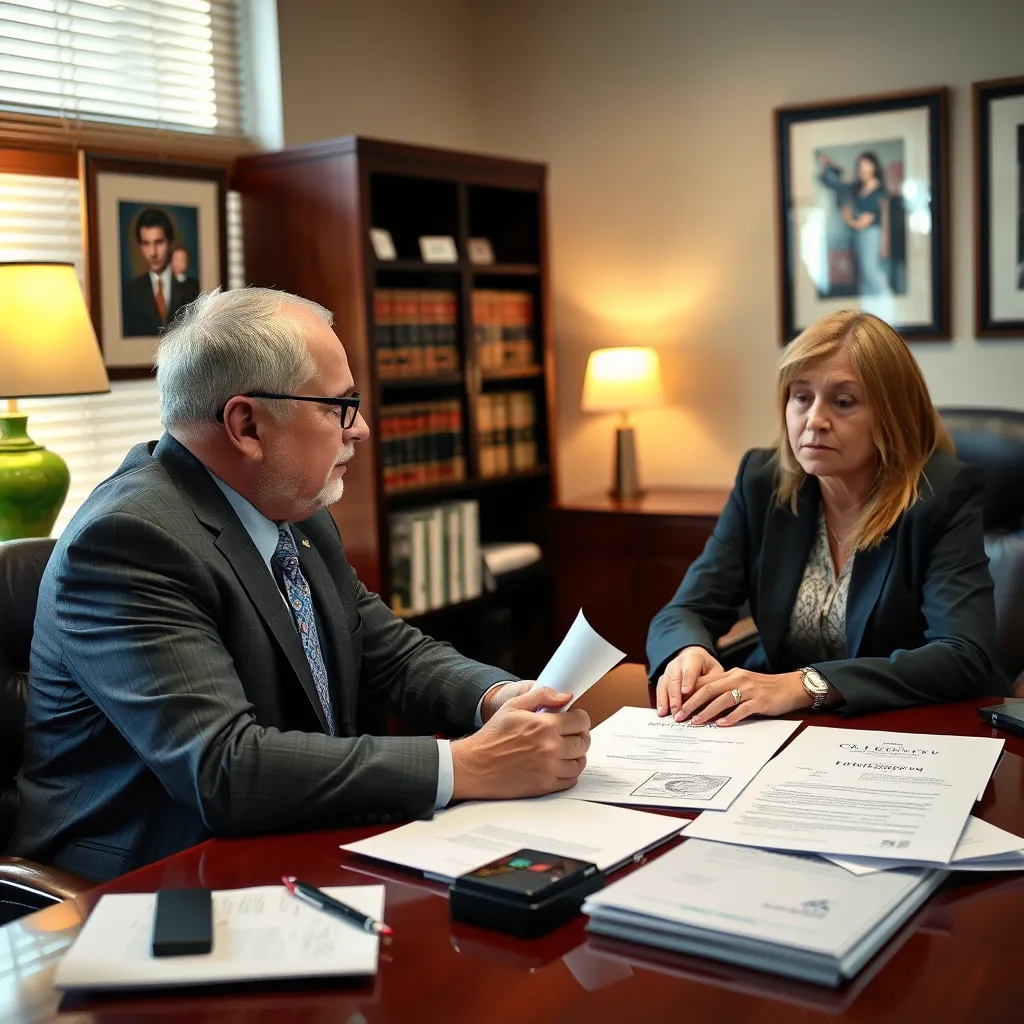
Note: This article is confirmed by Law Offices Of SRIS, P.C.
WRITTEN BY: Mr. Sris
Since 1997, Mr. Sris has led the firm, focusing on the most challenging criminal and family law cases… His background in accounting and information management aids in financial and technology-related cases… Involved in significant legislative changes in Virginia.
Insight: My focus since founding the firm in 1997 has always been directed towards personally handling the most challenging and involved criminal and family law matters our clients face.
Insight: I find my background in accounting and information management provides a unique advantage when handling the intricate financial and technological aspects inherent in many modern legal cases.
Insight: As someone deeply involved in the community, I believe it’s important to not only practice law but also to actively participate in shaping it, which is why I dedicated effort towards amending Virginia Code § 20-107.3 and achieving state recognition for cultural milestones.
Third Party Custody Lawyer Arlington VA
What is third party custody
Third party custody represents a legal arrangement where individuals other than biological parents obtain custody rights over a child. This legal concept recognizes that sometimes biological parents may not be able to provide appropriate care, and other individuals may be better positioned to ensure the child’s welfare. In Virginia, these arrangements are governed by specific statutes and court precedents that establish when third parties can obtain custody.
The legal framework for third party custody in Virginia requires demonstrating that granting custody to a non-parent serves the child’s best interests. Courts consider multiple factors including the child’s relationship with the third party, the stability of the proposed living arrangement, and the reasons why biological parents cannot provide adequate care. The process begins with filing a petition in the appropriate court, typically where the child resides.
Virginia law establishes specific requirements for third party custody cases. The petitioner must show that granting custody to a non-parent is necessary for the child’s welfare. This involves presenting evidence about the child’s current living situation, the relationship between the child and the third party, and the reasons why biological parents cannot maintain custody. Courts examine the child’s emotional and physical needs, educational requirements, and overall development.
The legal standards for third party custody continue to evolve through court decisions and legislative changes. Recent developments have clarified when third parties can obtain custody and what evidence courts consider most important. Understanding these standards requires familiarity with Virginia family law and recent court rulings. Legal representation helps ensure that all necessary evidence is presented effectively.
Reality Check: Third party custody cases require substantial evidence and careful preparation. Courts scrutinize these requests closely to protect children’s interests.
How to pursue non-parent custody
Pursuing non-parent custody in Virginia involves a structured legal process that requires careful preparation and documentation. The first step typically involves consulting with legal counsel to evaluate your situation and determine whether you have grounds to seek custody. This initial assessment considers the child’s current living situation, your relationship with the child, and the reasons why biological parents cannot provide adequate care.
The formal process begins with filing a petition in the appropriate Virginia court. This document outlines your request for custody and provides basic information about the child, the biological parents, and your relationship to the child. The petition must comply with Virginia’s specific formatting and content requirements. Once filed, the court schedules hearings and establishes timelines for the case.
Evidence gathering represents a important component of non-parent custody cases. You’ll need to document your relationship with the child, including how long you’ve known the child, the nature of your interactions, and any care you’ve provided. Evidence about the child’s current living situation, including any concerns about safety or welfare, should be collected. Documentation about the biological parents’ circumstances may also be relevant.
Court proceedings involve presenting your evidence and arguments to a judge. The biological parents have the opportunity to respond to your petition and present their own evidence. The judge considers all information presented and makes a determination based on the child’s best interests. The process may involve multiple hearings and require ongoing communication with the court.
Straight Talk: The non-parent custody process requires thorough documentation and patience. Courts move deliberately to ensure all evidence receives proper consideration.
Can I obtain custody as a non-parent
Whether you can obtain custody as a non-parent depends on multiple factors under Virginia law. The primary consideration is whether granting custody to you would serve the child’s best interests. Courts examine this question carefully, considering the child’s emotional and physical needs, educational requirements, and overall development. The specific circumstances of each case determine the outcome.
Your relationship with the child represents a significant factor in custody determinations. Courts consider how long you’ve known the child, the nature of your interactions, and any care you’ve provided. A strong, established relationship where you’ve been involved in the child’s life can support your custody request. Evidence of your commitment to the child’s welfare and your ability to provide stable care is important.
The biological parents’ circumstances also influence custody decisions. Courts examine whether biological parents can provide adequate care and whether there are concerns about the child’s safety or welfare. Situations where biological parents cannot care for the child due to various reasons may support non-parent custody. However, courts generally prefer to maintain parental rights when possible.
Virginia’s legal standards for non-parent custody continue to develop through court decisions. Recent rulings have clarified what evidence courts consider most important and how they balance different factors. Understanding these standards requires familiarity with current Virginia family law. Legal representation helps ensure your case addresses all relevant considerations.
Blunt Truth: Obtaining non-parent custody requires demonstrating clear benefits for the child. Courts protect parental rights while considering children’s welfare.
Why hire legal help for third party custody
Hiring legal help for third party custody cases offers multiple benefits when addressing Virginia’s family law system. An attorney familiar with these matters understands the specific legal standards and procedures that apply. They can evaluate your situation, explain the relevant laws, and help you understand what evidence courts consider important. This guidance helps you make informed decisions throughout the process.
Legal representation assists with evidence gathering and case preparation. Your attorney can help identify what documentation supports your custody request and how to obtain it properly. They understand what courts look for in third party custody cases and can help organize your evidence effectively. Proper preparation increases the likelihood that your case addresses all necessary considerations.
Court procedures involve specific rules and requirements that legal counsel can help you follow. From filing initial petitions to presenting evidence at hearings, an attorney ensures proper procedures are followed. They can help prepare legal documents, coordinate with court personnel, and represent your interests during proceedings. This professional handling helps maintain focus on the child’s best interests.
Emotional support represents another aspect of legal representation. Third party custody cases often involve difficult family dynamics and emotional challenges. While your attorney cannot provide therapeutic support, they can help you maintain perspective on legal requirements and procedures. This professional distance can help you make decisions based on legal considerations rather than emotional reactions.
Reality Check: Legal help provides structure and guidance through challenging proceedings. Attorneys focus on legal requirements while you manage personal aspects.
FAQ:
What is third party custody?
Third party custody involves legal arrangements where non-parents obtain custody rights. This applies to grandparents, relatives, or other caregivers when biological parents cannot provide adequate care.
Who can seek third party custody?
Grandparents, relatives, or other individuals with established relationships to the child can seek custody. The petitioner must demonstrate this arrangement serves the child’s best interests.
What evidence supports third party custody?
Evidence includes documentation of your relationship with the child, the child’s current living situation, and reasons biological parents cannot provide care. Courts consider multiple factors.
How long does the process take?
The timeline varies based on court schedules and case challenge. Initial filings begin the process, with hearings scheduled according to court availability.
What are the legal standards in Virginia?
Virginia courts require demonstrating that third party custody serves the child’s best interests. Specific factors include relationships, stability, and parental circumstances.
Can biological parents contest third party custody?
Yes, biological parents can contest these requests. Courts consider all evidence and arguments before making determinations.
What happens after obtaining custody?
Third party custodians assume responsibilities for the child’s care, education, and welfare. Regular court reviews may occur to ensure continued appropriateness.
Are there alternatives to full custody?
Options may include visitation arrangements or temporary custody orders. The specific arrangement depends on the child’s needs and circumstances.
How much does legal representation cost?
Costs vary based on case challenge and attorney experience. Many firms offer initial consultations to discuss fees and payment options.
What if circumstances change after custody?
Modification requests can be filed if circumstances change significantly. Courts review whether changes warrant adjustments to custody arrangements.
Can multiple third parties seek custody?
Multiple individuals can petition, but courts determine which arrangement best serves the child’s interests. Relationships and capabilities are evaluated.
What rights do third party custodians have?
Custodians have decision-making authority regarding the child’s care, education, and welfare. Specific rights depend on the court order.
Past results do not predict future outcomes