
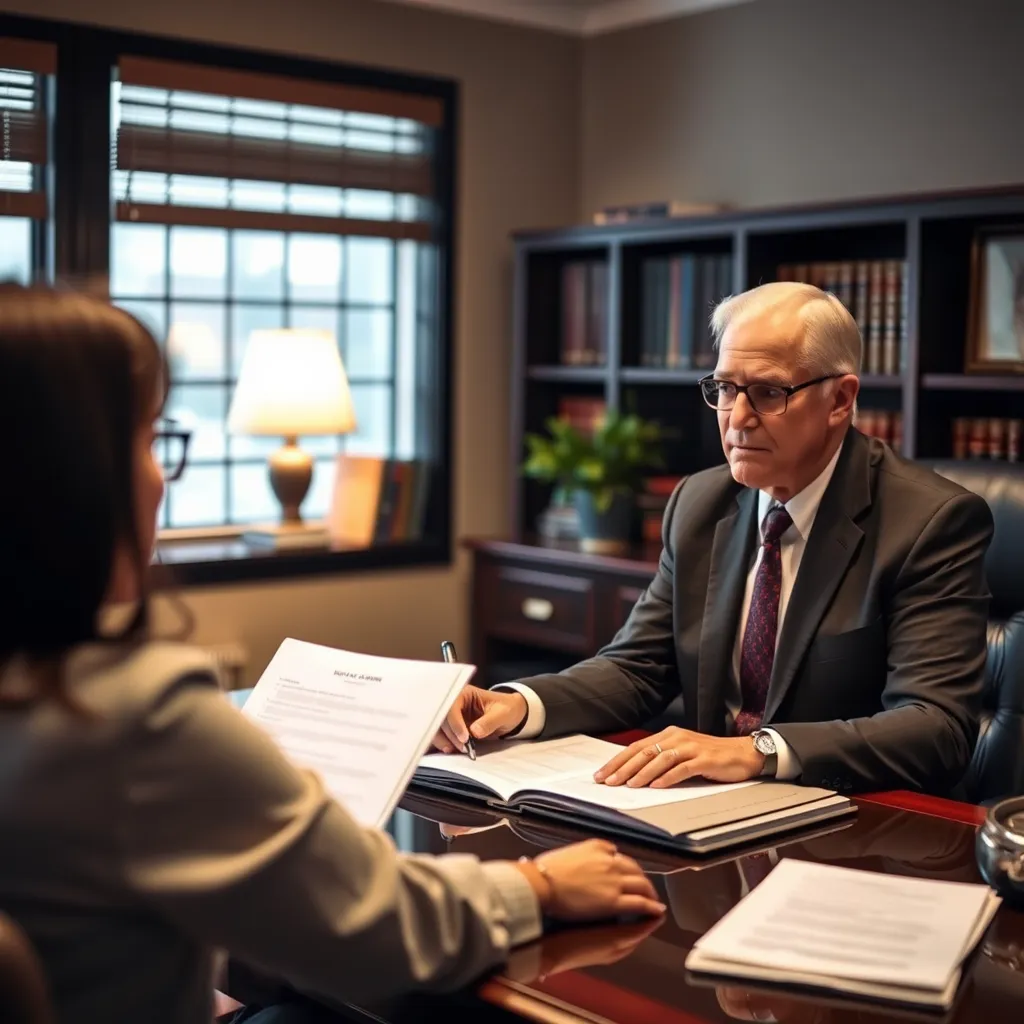
Note: This article is confirmed by Law Offices Of SRIS, P.C.
WRITTEN BY: Mr. Sris
Since 1997, Mr. Sris has led the firm, focusing on the most challenging criminal and family law cases… His background in accounting and information management aids in financial and technology-related cases… Involved in significant legislative changes in Virginia.
Insight: My focus since founding the firm in 1997 has always been directed towards personally handling the most challenging and involved criminal and family law matters our clients face.
Insight: I find my background in accounting and information management provides a unique advantage when handling the intricate financial and technological aspects inherent in many modern legal cases.
Insight: As someone deeply involved in the community, I believe it’s important to not only practice law but also to actively participate in shaping it, which is why I dedicated effort towards amending Virginia Code § 20-107.3 and achieving state recognition for cultural milestones.
Visitation Modification Lawyer Virginia
What is Visitation Modification
Visitation modification refers to the legal process of changing court-ordered visitation arrangements between parents and children. In Virginia, these modifications are governed by specific statutes and court procedures designed to protect children’s welfare while addressing changing family circumstances. The foundation of any modification request rests on demonstrating a material change in circumstances that affects the child’s best interests.
The process begins with understanding what constitutes a valid reason for modification. Virginia courts recognize various situations that may warrant changes, including parental relocation, changes in work schedules, health issues affecting either parent or child, safety concerns, or the child’s evolving needs as they grow older. Each situation requires careful documentation and legal presentation to meet court standards.
Legal strategies for visitation modification involve gathering evidence, preparing documentation, and presenting arguments that clearly show how the current arrangement negatively impacts the child. This includes school records, medical documentation, witness statements, and professional evaluations when necessary. The goal is to demonstrate that the proposed modification better serves the child’s physical, emotional, and developmental needs.
Professional guidance in this area comes from understanding Virginia’s specific legal requirements and court expectations. Successful modification requires not only proving changed circumstances but also presenting a workable alternative that maintains the child’s relationship with both parents while addressing the identified issues. The court’s primary consideration remains the child’s welfare throughout the process.
Blunt Truth: Court modifications require solid evidence, not just parental preference. Judges need documented reasons showing actual harm or benefit to the child.
How to Modify Visitation in Virginia
The process for modifying visitation in Virginia involves several distinct steps, each requiring careful attention to legal requirements. First, parents must determine whether they have grounds for modification by assessing if a material change in circumstances has occurred since the last court order. This change must significantly affect the child’s welfare or the parent’s ability to exercise visitation rights.
Once grounds are established, the next step involves filing a petition with the appropriate Virginia court. This typically means filing in the same court that issued the original visitation order. The petition must clearly state the requested changes and the reasons supporting them. Proper service of legal documents to the other parent is essential, as failure to follow service requirements can delay or derail the entire process.
Evidence preparation forms the core of any modification request. This includes gathering documentation such as school schedules, work schedules, medical records, relocation notices, or any evidence of safety concerns. In some cases, professional evaluations or witness statements may strengthen the case. The evidence must directly connect to how the current visitation arrangement negatively affects the child.
Court proceedings involve hearings where both parties present their positions. Virginia courts may order mediation before proceeding to trial, encouraging parents to reach mutually agreeable solutions. If mediation fails, the court will hear arguments and evidence before making a decision. Throughout this process, maintaining focus on the child’s best interests remains vital.
Reality Check: The legal process takes time and requires proper documentation. Rushed petitions without solid evidence often get dismissed, delaying needed changes.
Can I Modify Visitation Without Court Approval
Parents often wonder whether they can adjust visitation schedules without going through formal court proceedings. While informal agreements between parents can work for temporary, minor adjustments, significant or permanent changes should receive court approval to ensure legal protection. Virginia law recognizes that parents may mutually agree to modifications, but these agreements lack the enforcement power of court orders.
Temporary adjustments made by mutual consent can address short-term needs like vacation schedules, special events, or temporary work conflicts. However, these arrangements should be documented in writing to avoid misunderstandings. Even with written agreements, if one parent decides to revert to the court-ordered schedule, they have the legal right to do so, potentially creating conflict and instability for the child.
For substantial changes affecting visitation frequency, duration, or location, court approval becomes necessary. This includes situations like parental relocation, major schedule changes, or adjustments needed due to the child’s age or activities. Without court approval, the original order remains legally binding, and either parent can demand compliance at any time.
The risks of informal modifications become apparent when disputes arise. If parents disagree about the terms or one parent stops honoring the informal agreement, there’s no legal recourse except to return to the original court order. This can create confusion and emotional distress for children who have become accustomed to the new schedule. Formal modification provides certainty and legal protection for all parties.
Straight Talk: Informal changes work until they don’t. When disagreements happen, you’re stuck with the original court order, potentially undoing months of adjustment.
Why Hire Legal Help for Visitation Modification
Seeking professional legal assistance for visitation modification offers several significant advantages in Virginia’s family law system. First, attorneys understand the specific legal standards and procedural requirements that courts expect. They can assess whether circumstances truly constitute material changes warranting modification and advise on the strength of potential cases before investing time and resources.
Legal professionals help gather and organize evidence effectively. They know what documentation courts find persuasive and how to present it compellingly. This includes obtaining proper records, preparing witness statements, and when necessary, working with attorneys who can provide professional evaluations. Proper evidence presentation often makes the difference between successful and unsuccessful modification requests.
Court procedure knowledge proves invaluable throughout the modification process. Attorneys handle document preparation, filing requirements, service procedures, and hearing preparations. They ensure all deadlines are met and requirements fulfilled, preventing procedural errors that could delay or dismiss cases. This procedural competence allows parents to focus on their children rather than legal technicalities.
Perhaps most importantly, legal representation maintains focus on the child’s best interests while protecting parental rights. Attorneys help develop modification proposals that serve children’s needs while being reasonable and workable for both parents. They can negotiate with the other party’s counsel, participate in mediation effectively, and present arguments in court that emphasize child welfare over parental conflict.
Blunt Truth: Court systems have specific rules and expectations. Missing procedural steps or presenting weak evidence can result in denied requests, wasting time and resources.
FAQ:
What constitutes material change in Virginia?
Material change means significant circumstances affecting child welfare, like relocation, schedule conflicts, or safety issues that impact visitation arrangements.
How long does modification take?
Modification timelines vary but typically take several months from filing to hearing, depending on court schedules and case challenge.
Can I modify visitation without lawyer?
While possible, legal representation helps ensure proper procedure and effective evidence presentation for better outcomes.
What evidence do courts consider?
Courts consider documentation like school records, work schedules, relocation notices, medical records, and witness statements.
Can visitation be modified frequently?
Frequent modifications are discouraged as stability benefits children. Courts require substantial changes between requests.
What if parents agree on changes?
Mutual agreements should still receive court approval to ensure legal enforceability and prevent future disputes.
How does relocation affect visitation?
Relocation often requires modification to adjust schedules, transportation arrangements, and visitation frequency.
What if other parent violates order?
Violations may support modification requests but require proper documentation and legal action for enforcement.
Can teenagers influence visitation?
Courts consider older children’s preferences but ultimately decide based on overall best interests, not just child’s wishes.
What costs are involved?
Costs include court fees, attorney fees, and possible mediation expenses, varying by case challenge.
How are summer vacations handled?
Summer schedules often require specific provisions in modification requests addressing extended visitation periods.
What if circumstances change again?
Additional modifications require demonstrating new material changes since the last court order.
Past results do not predict future outcomes